
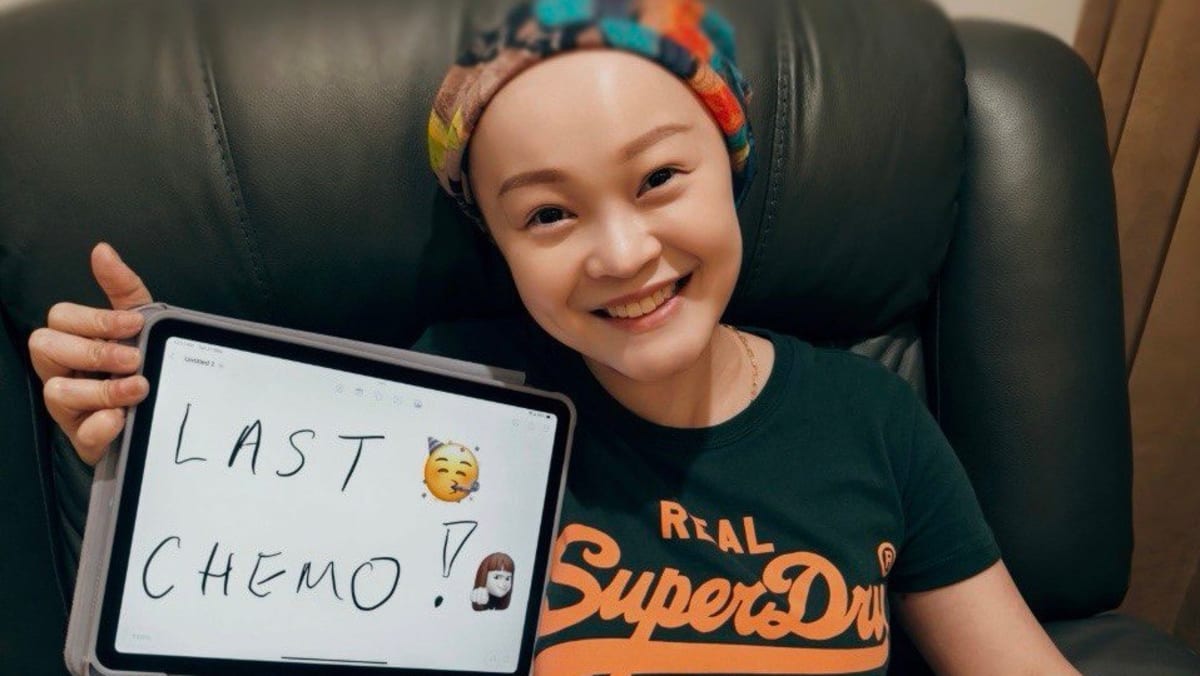
Being diagnosed with cancer can be terrifying but these fears can be managed, said Dr Peter Ang, senior consultant medical oncologist at OncoCare Cancer Centre.
“Understanding the risks, options and next steps help one manage those fears. These include regular follow‑ups, maintaining healthy lifestyle choices and having psychosocial support,” he said.
Myth: Once you have cancer, life as you knew it comes to a halt
Because many believe that stress causes cancer, some patients may drastically cut back on activities they view as stress-inducing. But Dr Ang said stress has not been directly proven to cause cancer although chronic stress can have other indirect effects on health and treatment outcomes, which patients should discuss with their doctor.
It helps to re-evaluate schedules, priorities and life goals to manage stress and ensure enough rest but it’s not necessary to drop work, caregiving and socialising.
In fact, for many patients, continuing with activities and being rooted in social roles may provide an important emotional anchor for their cancer journey, he said.
Myth: I should avoid exercise
In most cases, light exercise such as short walks or stationary cycling help to maintain fitness, support circulation, reduce fatigue, improve mood and cope with the side effects of treatment, said Dr Ang.
Patients should discuss with their oncologist how much and what exercise to do. For example, those undergoing chemotherapy may go through periods of fatigue followed by recovery during each cycle, so oncologists can recommend how to allow enough recovery time before exercising.
However, patients should stop exercising if they experience chest pain, dizziness or shortness of breath, Dr Ang added.
Myth: Sugar feeds cancer, so I must cut it out completely
Like all cells, cancer cells need energy to grow and multiply, which they get from glucose and other sources.
Will cutting out dietary glucose stop its growth? Dr Ang says that’s a myth. “No clinical trial has shown that this shrinks tumour cells or improves survival,” he said.
“Moreover, it is impossible to eliminate glucose from the diet completely as it provides the primary energy source for cells, particularly the brain.
“So it is not possible to starve cancer cells without affecting normal cells. Ultimately, this weakens the patient without meaningfully slowing the cancer,” he explained.
However, post-menopausal women are advised to avoid excessive weight gain as this is associated with a higher risk of breast cancer. Studies show that weight gain of more than 5-10 kg, or 5-10 per cent of body weight after menopause, sustained over years can increase breast cancer risk.