
KUALA LUMPUR: ORGANISED syndicates are infiltrating Malay-sia’s Mass Rapid Transit (MRT) infrastructure, using viaduct access points, billboards and even hidden “living spaces” beneath elevated tracks to steal live and signalling cables.
This has cost Prasarana Malay-sia Bhd at least RM21 million in losses in the past three years and has disrupted rail operations.
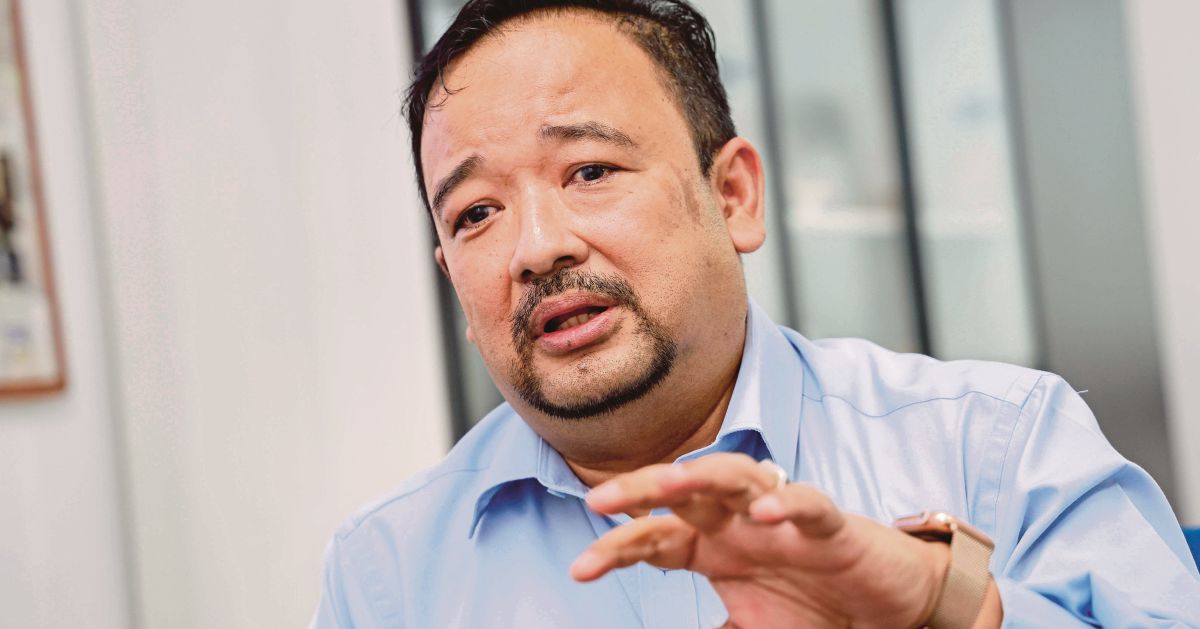
Prasarana Group chief health, safety, security, environment and sustainable development officer Idzqandar Abu Bakar said cable theft cases had surged 68 per cent year-on-year, from 42 incidents in 2024 to 72 last year.
He said criminals were escalating from low-risk grounding cables to live and signalling cables that affect train safety and operations.
“They now cut live cables and sometimes even signalling cables, which means we cannot detect where our trains are. That creates a dangerous operational situation, forcing us to shut down longer for recovery work.”
What began as opportunistic theft of “earthing” cables, which does not immediately disrupt service, has evolved into a highly coordinated operation, he said.
Syndicates time their strikes to evade patrols and use sophisticated methods to avoid electrocution when cutting power lines.
The syndicates’ primary gateway is the MRT viaduct system, which are hollow structural sections under elevated tracks that allow intruders to move unseen.
“We have found people living inside for two to three days. We discovered mattresses. They cook inside and come out at certain times to climb onto the tracks to cut cables,” Idzqandar said.
[[nid:1368824]]
“People wait and watch our timing. After we patrol, they go in.”
Patrol teams have found ladders, ropes and cable-cutting equipment hidden in bushes, suggesting pre-planned extraction routes for stolen materials.
Idzqandar said lenient punishment might fuel repeat offences.
“We have caught the same people many times. They are not deterred. One theft can cause losses in the tens of thousands. Are the fines proportionate to the crime?”
He said Prasarana had opened coordination channels with Te-naga Nasional Bhd, Telekom Malaysia and Keretapi Tanah Melayu Bhd, all of which face similar syndicate-driven theft along critical infrastructure corridors.
He said beyond financial losses, the greatest risk was passenger safety.
“Severed signalling cables can leave operators blind to the location of trains, forcing emergency slowdowns or shutdowns across entire lines. When our service is disrupted, it affects hundreds of thousands, even millions.”
Prasarana urged for stronger
legal deterrents and enhanced cross-agency enforcement to treat infrastructure theft as a serious crime against public safety.
As Malaysia expands its rail footprint, Idzqandar said without stiffer penalties and smarter surveillance, syndicates would continue to exploit vulnerabilities, turning the MRT’s concrete spine into a hidden highway for organised crime.
[[nid:1368823]]
© New Straits Times Press (M) Bhd