
PUTRAJAYA: The Special E-Waste Coordination Committee was set up to review laws and enforcement methods aimed at cracking down on illegal smuggling activities, as part of efforts to prevent Malaysia from becoming a dumping ground for plastic and electronic waste.
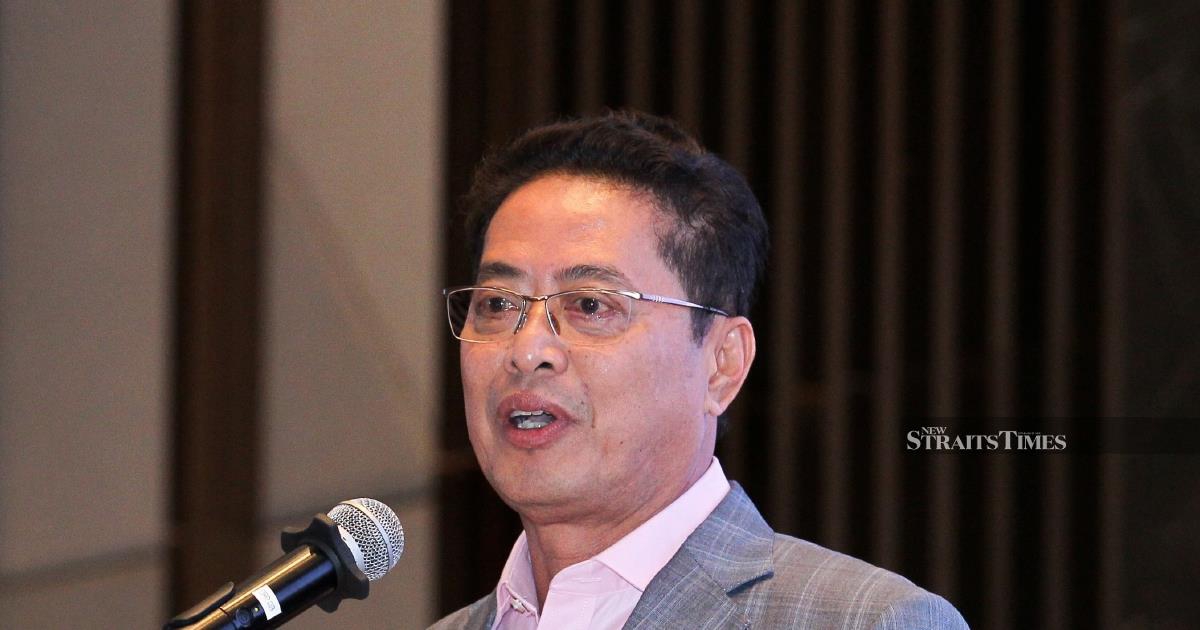
Malaysian Anti-Corruption Commissioner (MACC) chief commissioner Tan Sri Azam Baki said the committee would focus on strengthening coordination among enforcement agencies and examining legal frameworks governing the importation and handling of plastic waste and e-waste.
Azam said that in a meeting on Wednesday, Malaysian Border Control and Protection Agency (MCBA) Port Klang commander Datuk Nik Ezanee Mohd Faisal was picked to lead the committee as he can leverage his experience with the police force in looking into enforcement into the ban of e-waste.
“The establishment of this committee is to look at the law and methods relating to law enforcement agencies to crack down on illegal smuggling to prevent Malaysia from being a dumping ground of plastic wastes and e-wastes,” Azam told the New Straits Times.
He said this committee would report back to Special Task Force on the Enforcement Management Roadmap for Plastic and E-Waste Imports within a week.
The special committee was announced by the MACC on Wednesday, after the second meeting of the Special Task Force on the Enforcement Management Roadmap for Plastic and E-Waste Imports (Bil. 2/2026).
Azam who chaired the meeting, had said that firm and coordinated enforcement by all relevant agencies was essential to ensure the ban’s effectiveness.
“E-waste is no longer allowed to enter the country. Enforcement must be carried out firmly, involving all agencies,” he added.
The meeting also discussed a proposed three-month moratorium on the importation of plastic waste.
Azam said authorities are also currently assessing the impact of a three-month moratorium on plastic waste imports, including whether the halt in import would affect domestic industries reliant on recycled materials.
He said studies on the matter are being conducted by the Investment, Trade and Industry Ministry together with the National Solid Waste Management Department (SWD).
“The three-month moratorium is to see if there is no more import supply of plastic wastes, will there be a shortage for domestic industry.
“At the moment there are studies done by MITI and SWD which will be submitted to the chief secretary to the government and the prime minister, who will decide on the matter,” he said.
© New Straits Times Press (M) Bhd