
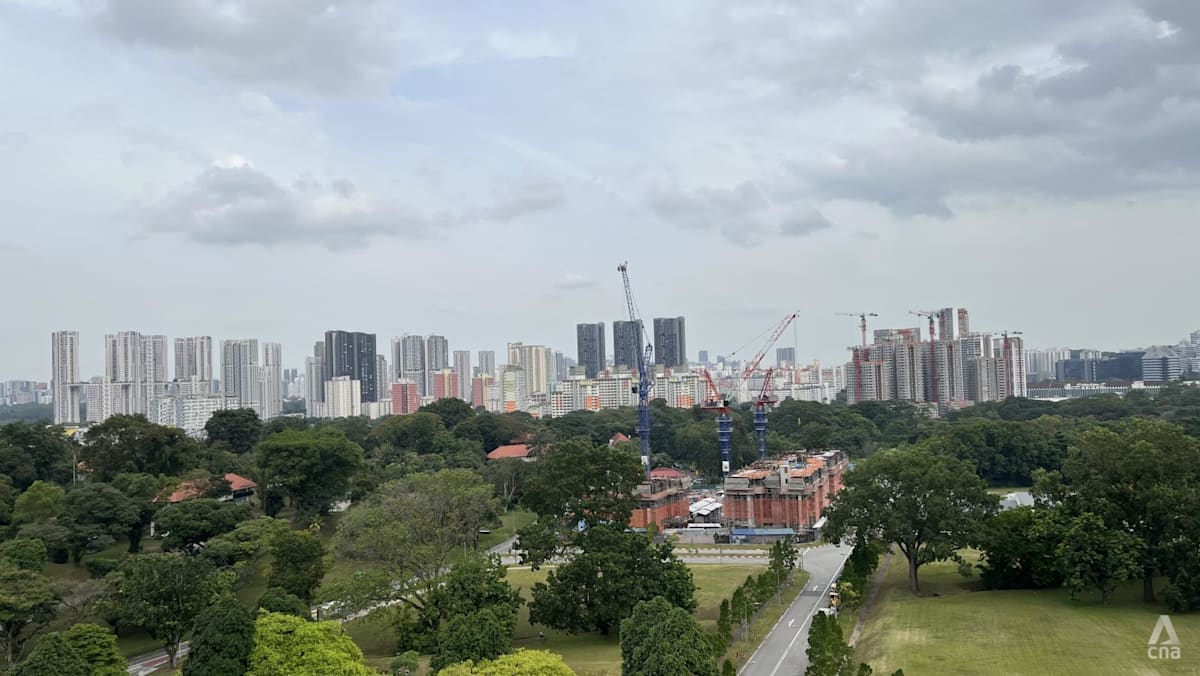
SINGAPORE: General practitioners across Singapore are reporting an increase in patients seeking treatment for respiratory symptoms as hazy conditions continue to affect the island.
Clinics in the central, northern and eastern regions have seen a noticeable rise in walk-ins over the past few days, with patients complaining of persistent coughs, breathing discomfort and throat irritation.
The spike comes amid prolonged dry conditions locally and regionally. On Monday (Feb 9), the National Environment Agency (NEA) said on Facebook that smoke from a hotspot in eastern Johor had been observed drifting towards Singapore.
As of 6pm, the 24-hour Pollutant Standards Index (PSI) ranged from 50 to 62 – within the good to moderate band. By 7pm, readings had eased slightly to between 49 and 61, with the central region most affected, followed by the north and east.
The dry conditions are expected to persist on Tuesday, NEA said.
Residents across Singapore have also reported a faint burnt smell since late January. NEA previously attributed slightly elevated PM2.5 levels in the east to hotspots and smoke plumes from Johor, adding that vegetation fires had caused hotspots in the north of Singapore.
SPIKE IN PATIENTS
Dr Joel Lim, a resident doctor at Kingsway Medical Clinic, which has branches in Beauty World Plaza, Braddell and Sengkang, noted a 10 to 20 per cent increase in patients over recent days, coinciding with rising PSI levels.
“The uptick typically occurs within 24 to 48 hours after sustained periods of poorer air quality,” he said, adding that haze episodes often trigger more visits for throat irritation, coughs and asthma flare-ups.
Dr Chong Soon Thye, a family physician at Livewell Medical Family Clinic’s Zhongshan Mall outlet, estimated a 15 to 25 per cent rise in respiratory cases. Dr Ronald Xu from Procare GP Clinic in Ang Mo Kio and a doctor surnamed Chan running a clinic in eastern Singapore also reported similar trends.
However, some doctors stopped short of attributing all cases directly to the haze.
Dr Xu and Dr Chong said symptoms resembled those of common flu, while a Fullerton Health Singapore spokesperson noted that conditions like allergic rhinitis can be triggered by various environmental and personal factors.
“It is not possible to clinically attribute these symptoms directly to haze exposure,” the spokesperson said, adding that Fullerton Health clinics have not seen a significant rise in allergic rhinitis or conjunctivitis cases.
But doctors like Dr Lim and Dr Chan said the symptoms they observed were likely haze-related, noting that most patients did not have fever or body aches commonly associated with viral infections.
When assessing patients, Dr Lim said he looks at recent air quality readings, the onset of symptoms during haze periods and whether conditions improve indoors in air-conditioned settings. He also checks for exposure to infectious contacts to rule out other causes.
Patients of all ages have been affected, though those with pre-existing respiratory conditions such as asthma appear more susceptible, often experiencing worsening wheezing or breathlessness.
Working adults, especially those who spend extended periods outdoors, have also sought treatment for similar issues.