
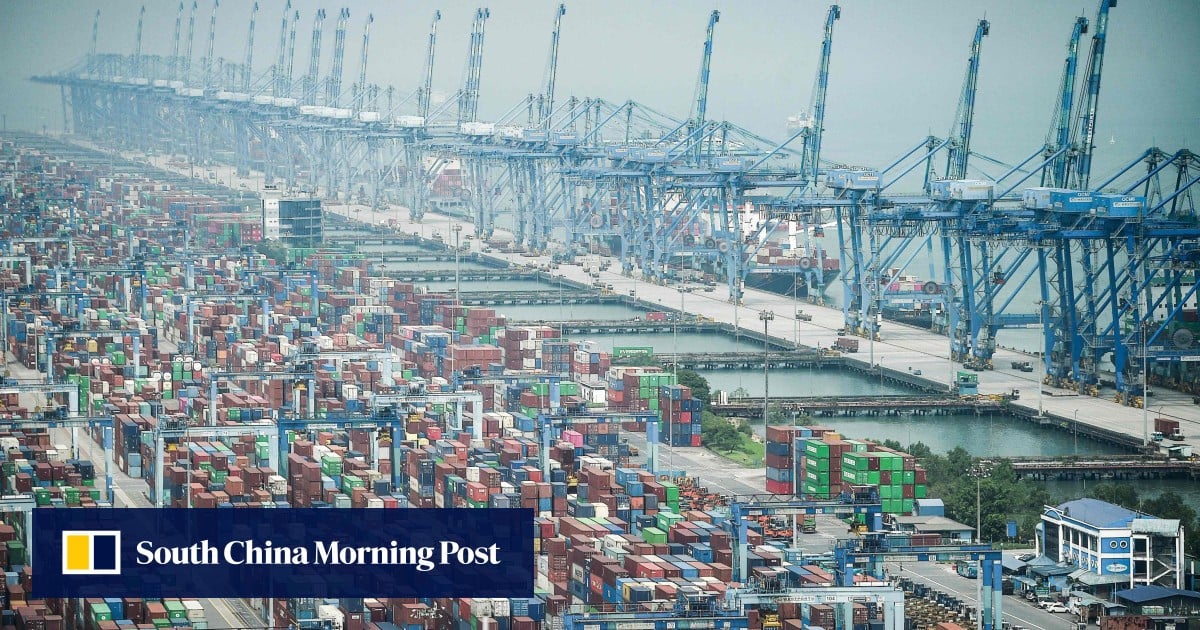
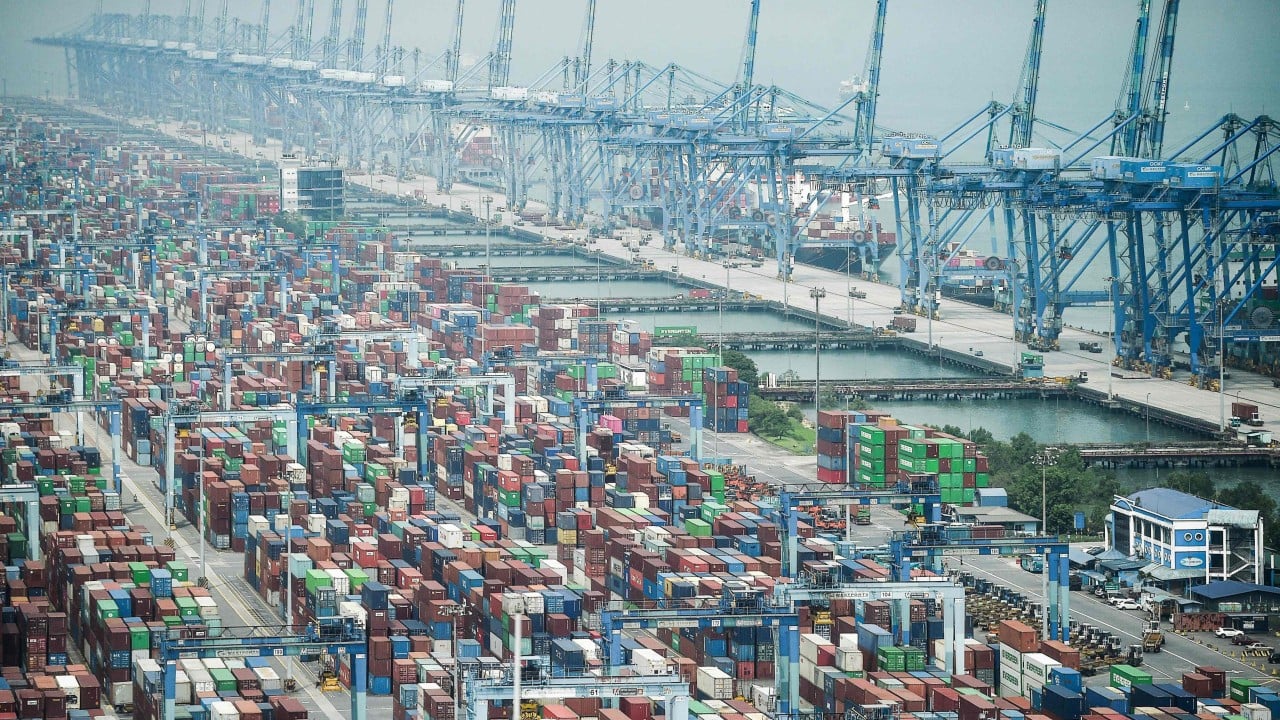
In one of the first tests of that tougher stance, customs officers at Port Klang intercepted nearly 200 tonnes of electronic waste on Wednesday, in what officials described as a rare success against traffickers who frequently hid shipments behind tidy paperwork and recycling labels.
Acting on a tip-off, customs officers found seven containers of e-waste – such as used printers, battered fax machines and ageing computer parts – and another carrying suspected aluminium dross, a hazardous industrial by-product banned for import under Malaysian law.
The e-waste had been shipped from three US ports – New York, Los Angeles and Norfolk, Virginia – and were destined for illegal dumps or recycling, said Nik Ezanee Mohd Faisal of the Malaysian Border Control and Protection Agency.
The containers have been placed under guard and are currently awaiting sign-off to send back to the United States.
“With the volumes we handle, it is a challenge [to detect them],” Nik Ezanee, the commander of Port Klang customs, told This Week in Asia.