
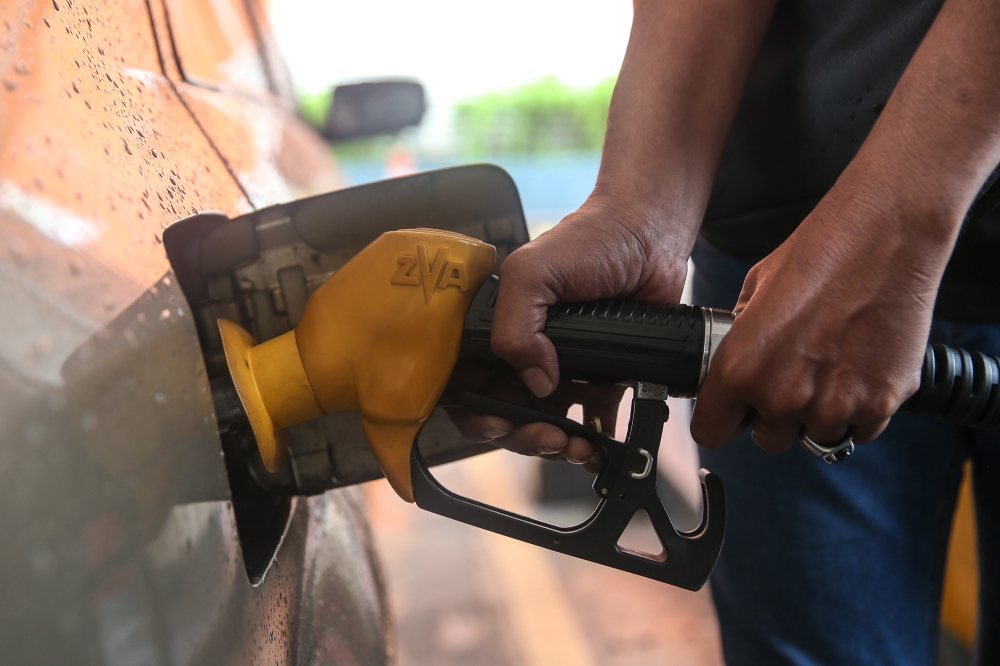
SINGAPORE, March 14 — Petrol prices in Singapore have climbed to new highs as global crude oil prices surge amid the conflict in the Middle East and disruptions to energy supply routes.
Caltex raised the posted price of 95‑octane petrol by 10 cents to S$3.45 (RM11.50) per litre yesterday, surpassing the previous peak of S$3.42 (RM11.40) per litre during the Ukraine crisis in 2022, The Straits Times reported, citing the Consumers Association of Singapore’s price tracker.
Posted pump prices do not include discounts, meaning motorists may pay less at the pump, but the trend reflects rising wholesale costs, the Singapore newspaper reported.
It also observed that local petrol operators have been raising their prices, at times more than once a day, as global crude prices see‑sawed along with developments in the Middle East.
The most popular grade of petrol, 95‑octane, is now nearly 20 per cent more expensive at Caltex than it was on February 28, when the US and Israel launched strikes that escalated tensions with Iran, the newspaper reported.
That is the equivalent of paying $28.50 (RM95) more to top up a vehicle with a 50‑litre fuel tank before factoring in discounts, it added, citing from industry data.
Diesel prices have also moved above their March 2022 peak, adding cost pressures on transport and logistics.
The Straits Times reported analysts warn that continued disruption through the Strait of Hormuz – through which around a fifth of global oil and liquefied natural gas normally passes – could keep fuel prices elevated.
Impact on drivers and businesses
Taxi operators and ride‑hailing firms have introduced measures to help drivers cope with fuel costs, The Straits Times reported.
ComfortDelGro, Singapore’s largest taxi operator, was offering petrol at S$1.93 (RM6.40) per litre earlier in March before raising it to S$2.31 (RM7.70), significantly below posted station prices.
Strides Premier, which runs the Republic’s second‑largest taxi fleet, said its fuel rate complements rental schemes by providing drivers with fuel credits to offset operating expenses.
Ride‑hailing platform Grab said it is providing fuel discounts and additional incentives to support its driver and delivery partners in Singapore and other regional markets.
Nevertheless, some taxi drivers said they continue to feel the pinch.
“In terms of support, it would really help if there were measures to reduce taxi rental costs, since petrol is one of our biggest daily expenses, The Straits Times reported one driver as saying.
Natural gas for power under watch
The Gulf conflict has also raised concerns about natural gas supplies for electricity generation, which relies heavily on imported fuel.
About 95 per cent of Singapore’s electricity is generated from natural gas, delivered through pipelines from neighbouring countries and as liquefied natural gas (LNG) via specialised carriers.
Singapore GasCo, established last year to centralise the procurement and supply of natural gas, will step in to secure additional LNG cargoes if needed, the Energy Market Authority (EMA) said.
The authority said it is in close contact with gas suppliers and power generators to monitor supply conditions.
Several global LNG suppliers, including Shell, have issued force majeure notices this week, citing “unforeseeable circumstances” that prevent them from fulfilling supply contracts, following attacks on the world’s biggest LNG export plant in Qatar.
Minister-in-charge of Energy and Science and Technology Dr Tan See Leng said Singapore has established fuel stockpiles of gas and diesel that can be tapped if supplies are severely disrupted, and that the republic holds enough stock to last for “months”.
EMA also noted that Singapore has diversified gas supply sources and that GasCo’s mandate will help secure reliable natural gas imports for the power sector going forward.
Why this matters for Singaporeans
The effective closure of the Strait of Hormuz amid the ongoing US-Israel conflict with Iran has disrupted global crude oil and gas flows, contributing to sharp price spikes and volatility in energy markets.
Higher fuel prices can translate to increased costs for transport, goods and services, and analysts warn that prolonged disruptions could have broader inflationary effects.
Singapore’s efforts to stabilise supply and manage costs aim to cushion consumers and businesses from the worst of the impact, but the country remains exposed to global energy trends beyond its control.