
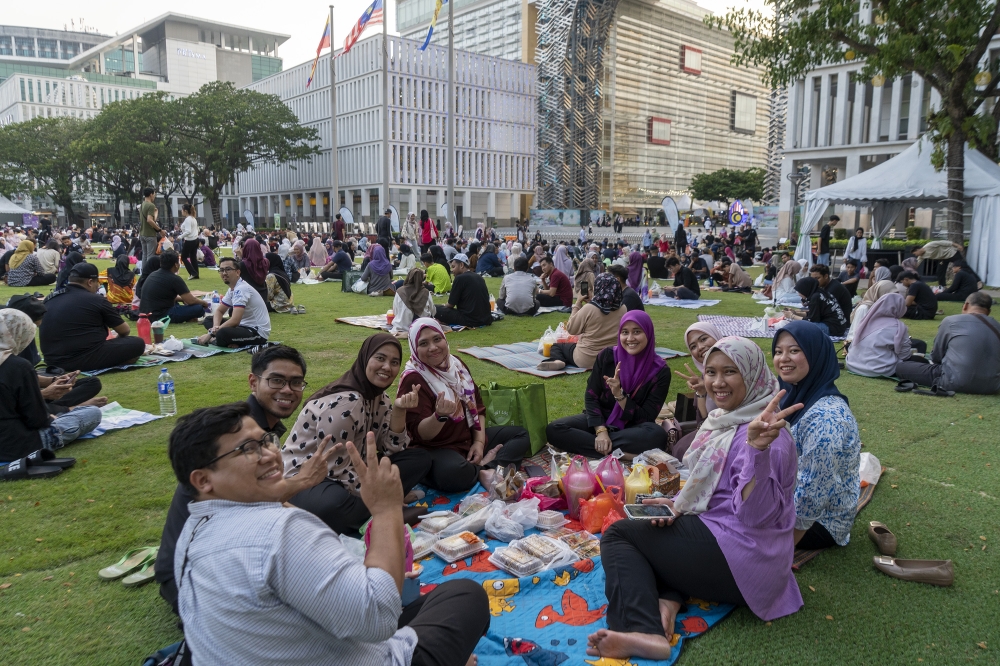
KUALA LUMPUR, March 14 — As the sun dips behind the skyline and the call to Maghrib prayers echoes faintly through towns across Malaysia, for many, Ramadan is a time of warmth, laughter, and shared rituals.
But for those living thousands of miles from home, the holy month is quiet, reflective, and often tinged with longing.
For Eriya Mariam, 29, an Indonesian veterinarian living in Malaysia, this year’s Ramadan will be spent in Sydney.
She said the thought of being away from her family, an eight-hour flight away, casts a bittersweet shadow over this Ramadan.
“When I realise the environment of my neighbourhood does not change at all whether it’s Ramadan or not, that’s when it hits me. Back home you can always hear the azan, my dad taking a sip of tea and heading to the masjid immediately to join Maghrib prayers.
“The sound of my neighbours doing the same. Here, it’s just like any normal evening,” she told Malay Mail.
Having lived independently since she was sixteen, Eriya is accustomed to some solitude, but the separation this year feels especially sharp.
Even last year, when she and her family were in Malaysia, distance kept them apart — she in Johor, they in Kedah — so a sense of longing is not new.
“I feel nostalgic for the good old days of iftar and sahur in the family dining room, but wherever I am I will always feel their presence with me. Occasionally we would video call to show them the food I’ve cooked and they would do the same.
“Over time it has become just as enjoyable, and the company is never scarce. If it’s not with friends then it’s with co-workers and acquaintances,” she said

Eriya Mariam prepares for Ramadan in Sydney this year. — Picture courtesy of Eriya Mariam
She added that taking on household responsibilities has been a challenge, as meal planning, shopping, and cooking, which was once her mother’s domain, now fall entirely on her.
She said even with recipes shared across borders, the reality of recreating home is not simple.
“She shares some of her recipes with me, which helps a lot, but South-east Asian dishes can be so complicated. I usually make simpler versions of rendang, sambal goreng, or nasi uduk, and it’s been a bit of trial and error.
“There’s a real satisfaction in cooking something myself and seeing that it actually turns out tasty, even if it’s not quite like hers,” Eriya said.
Annisa Rosli, 29, a project coordinator living in New Zealand said she knows a similar mix of longing and resilience as this marks her eighth Ramadan away from her family, who are eleven hours away by flight.
While the distance has never gotten easier, she has learned to navigate the emptiness with small, deliberate acts of connection.
“It’s not my first Ramadan away from my family, but it hits differently each year. I already miss the chaos of sahur at home, the laughter, my siblings arguing over who gets the last piece of kuih, my mum rushing around the kitchen preparing meals for the day ahead.
“Just thinking about it now makes me feel both warm and sad,” she added.
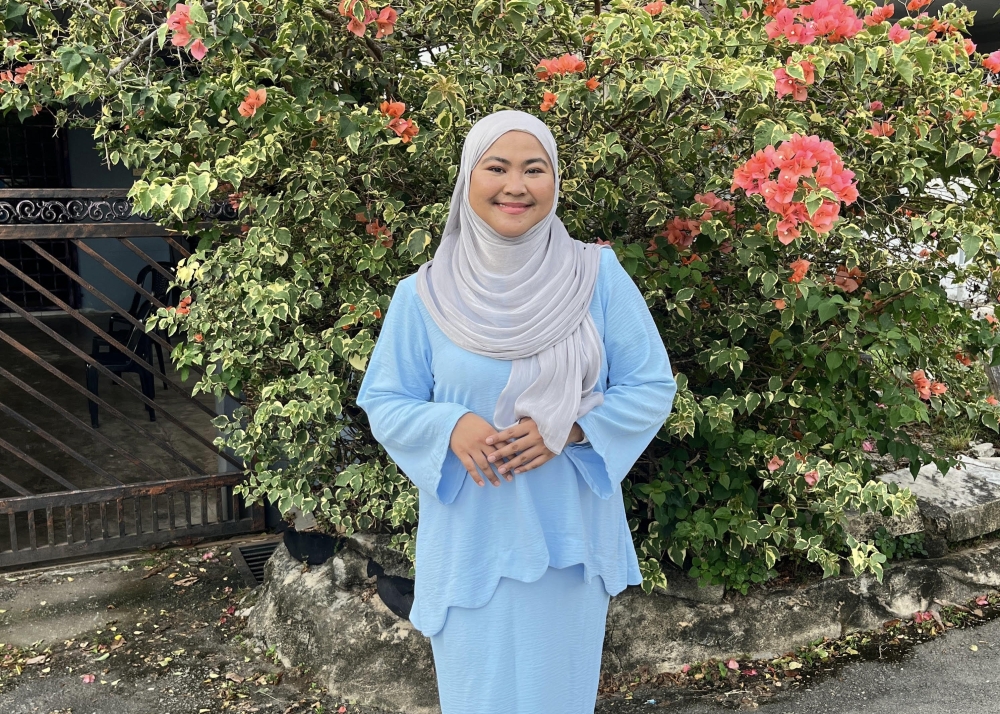
Annisa Rosli marks her eighth Ramadan in New Zealand. — Picture courtesy of Annisa Rosli
Back home in Malaysia, Ramadan meant waking up for sahur with the clatter of pots, sharing meals with family, and the bustle of neighbours exchanging dishes.
Above all that, Annisa particularly misses the spontaneity of attending the mosque.
“One thing I really miss is how easy it was to go to a mosque back home, you could just step out for tarawih prayers without having to plan ahead.
“It’s funny how you only notice what you took for granted once it’s no longer there. Here, I can still attend a mosque or Islamic centre, but it usually means a long drive and extra planning,” she said.
Annisa said she tries to prepare herself emotionally for the month, leaning on friends she regards as family and planning to call home often.
“I try to remind myself that I can still create little moments of connection. I’ll call my family almost every day, share iftar with friends when I can, and focus more on my prayers. It helps, but it’s not the same as being there,” she added.
For Muhammad Mukhlis, 30, a cabin crew member, distance during Ramadan is a constant companion.
Flying across time zones and countries, he sees the world from above, but the view cannot replace the sounds, smells, and laughter of home.
“I’m grateful for the opportunities my career brings, seeing the world from the sky, but being away from home during Ramadan is never easy.
“The first few years were emotionally tough. I missed the familiar sounds, smells, and laughter of home,” he said.
Having lived abroad since he was 19, Mukhlis said he has learned to balance his professional life with the longing for his family.
The hardest moments, he said, come during sahur and iftar, with his siblings are gathered for meals while he is miles away.
“Knowing my siblings are gathered for iftar while I’m thousands of miles away is the hardest. Those simple conversations around the dining table are what I miss the most.
“With family, iftar is warm, comforting. Alone, or on duty, it’s more functional, you do it to keep going,” he said.
For Mukhlis, coping comes through the camaraderie of his colleagues, who have become a second family while he is abroad.