

But with crude oil supplies expected to last only through May, the government said the country needed to accept that the crisis would keep oil prices high for the foreseeable future.
“We need to understand that this crisis is different from usual shocks because the effects can come in stages and last until next year,” Economy Minister Akmal Nasrullah Mohd Nasir said in a live televised address on Tuesday.
“We cannot be too comfortable, and we also cannot be too anxious … hence, the country’s approach must be realistic, disciplined and based on shared responsibility between the government, industry and the people.”
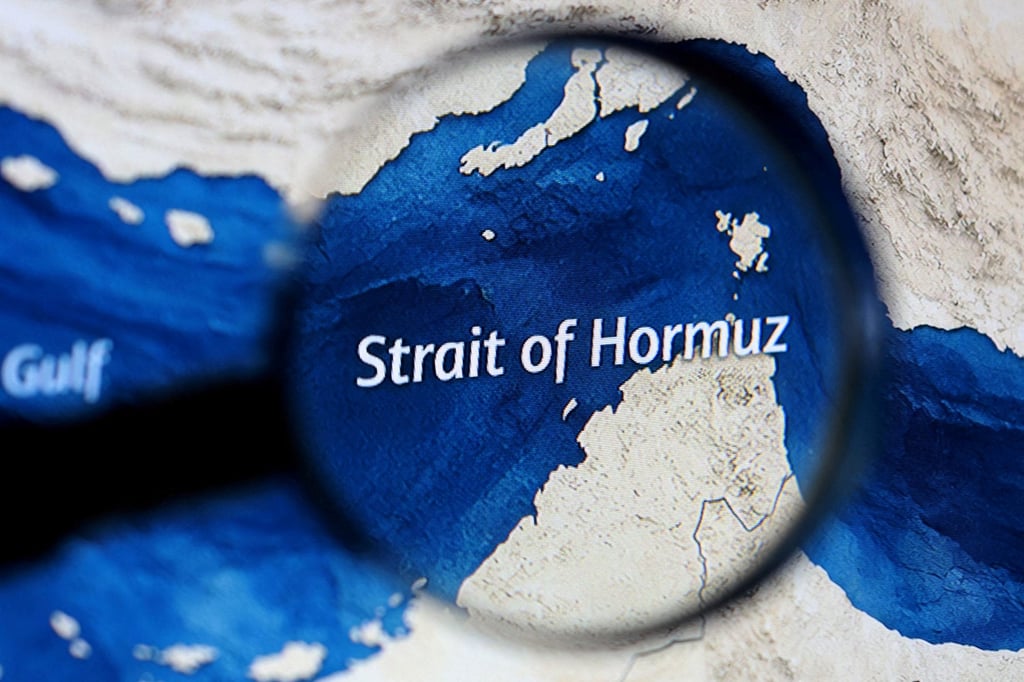
Southeast Asian nations have fallen into varying stages of an energy crisis over the past month, as vital oil and gas shipments from the Middle East were paralysed after Tehran all but shut access to the Strait of Hormuz in retaliation for deadly US and Israeli bombardments that started on February 28.
Akmal said Malaysia’s economy remained on track to grow between 4 per cent and 5 per cent this year despite the war.
The minister assured that the country would not face a short-term food supply shortage even as production costs surged due to the spike in diesel and fertiliser prices, and that maritime cargo and land public transport remained “relatively stable”.