
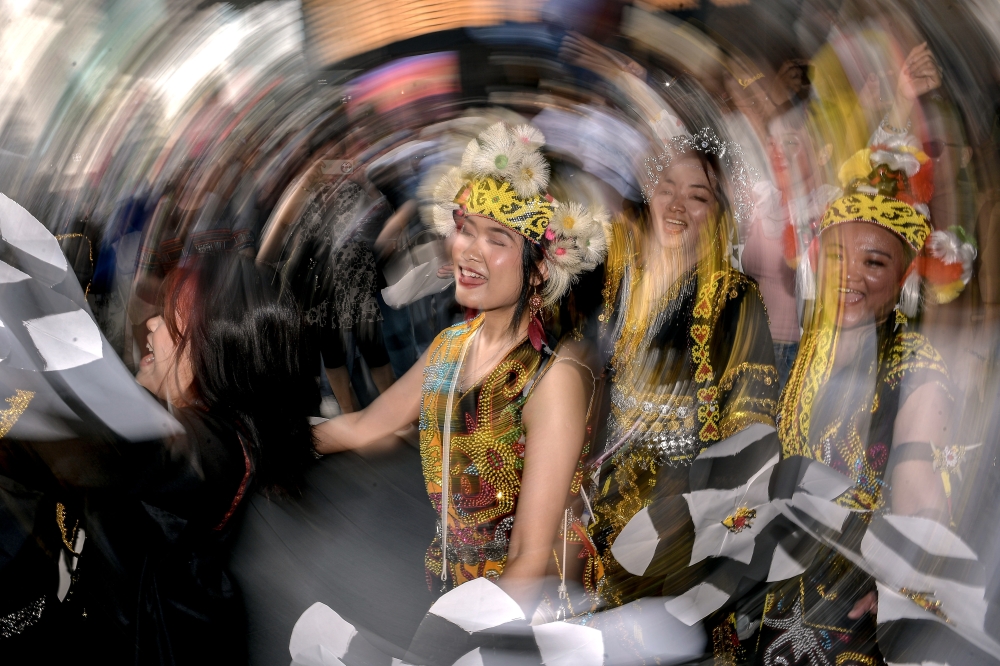
KOTA KINABALU, May 16 — The Kaamatan Festival must become more than just a harvest celebration for Sabahans, serving instead as a vital platform to preserve the state’s rich ethnic traditions, languages and cultural identity from disappearing with time.
Sabah Deputy Chief Minister I Datuk Seri Dr Joachim Gunsalam said the state’s culture reflects the true identity of its people, who are known for their rich ethnic diversity, and therefore must be actively protected and passed down to younger generations and youths.
“We must preserve the identity of ethnic groups such as the Tatana, Bisaya, Dusun and Kadazan communities because if not us, then who (will)? If we do not pass down this culture, we too will disappear with time. Once the culture is gone, it means our identity as Sabahans will also vanish,” he told Bernama.
Dr Joachim, who is also chairman of the Sabah State-Level Kaamatan Festival Celebration Main Committee 2026, said Sabah’s population comprises 33 indigenous ethnic groups communicating in more than 50 languages and 80 ethnic dialects, making cultural preservation increasingly important.
The Kaamatan Festival, celebrated throughout May every year with the main events on May 30 and 31, is a traditional thanksgiving celebration for harvests obtained and has long symbolised unity among Sabah’s communities.
Dr Joachim, who is also Sabah works and utilities minister, expressed happiness that various aspects of culture, including traditional sports, are now being actively revived and promoted to the public, especially younger generations.
He said Sabah’s unique cultural heritage is not only a symbol of identity, but one of the important pillars in the state’s development under the Sabah Maju Jaya (SMJ) 2.0 roadmap, stressing the importance of safeguarding unity in line with this year’s Kaamatan Festival theme, “Harvesting Unity, Celebrating Harmony”.
He reminded the people not to take for granted the peace and unity currently enjoyed, but instead continue strengthening solidarity across various ethnic and sub-ethnic communities.
“Considering that Sabah’s indigenous population is relatively small, at fewer than three million people compared to Malaysia’s overall population of more than 33 million, the spirit of unity is extremely critical to build.
“If we are not united, this is what will cause us to lag behind in socio-economic development. That is why in this month of May, we are ‘harvesting’ the unity that we have,” he added. — Bernama