
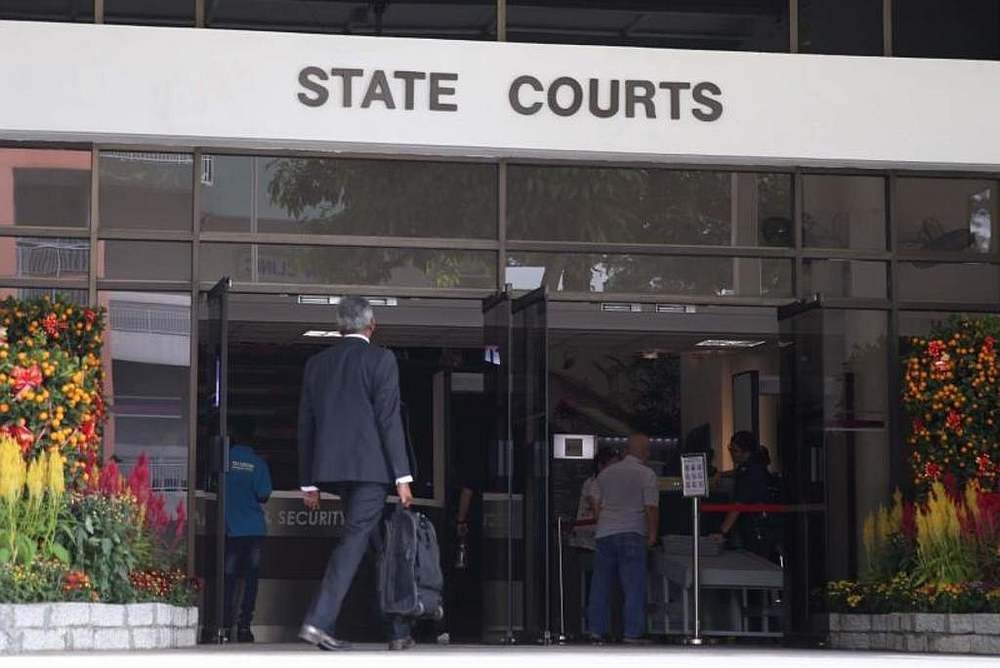
SINGAPORE, May 27 — A Singapore court has rejected a divorced father’s attempt to compel his ex-wife to send their two children to a church camp, with a judge warning against using the courts to enforce one parent’s religious preferences over another’s objections.
In a judgment published yesterday, District Judge Kow Keng Siong said the court should remain neutral in family disputes involving religion, identity and conscience, according to CNA.
“In family disputes touching on religion, identity and conscience, judicial restraint is often the wiser choice,” Judge Kow said.
The former couple, who obtained an interim divorce judgment in January 2025, share two children — a son born in 2016 and a daughter born a year later. Both children are baptised and attend Christian schools, while their mother has care and control over them.
The father had sought a court order requiring his ex-wife to ensure the children attended a four-day church camp, transport them daily and split the registration costs. He argued the camp would support their religious development and provide “wholesome activities that benefit their creative and physical development”.
He also accused his former wife of showing “a consistent pattern of obstructing the formation of the Christian faith” in the children by not taking them to various religious activities since May 2024.
The mother denied this, saying scheduling conflicts linked to school commitments prevented attendance at some events. She also argued that forcing her to transport the children daily would be “oppressive and unreasonable”.
The court heard that the couple’s son had recently expressed suicidal thoughts and was undergoing counselling. The mother said he had told her he felt stressed about attending the camp, while their daughter was also reluctant to go.
Judge Kow said the case raised a broader question over when courts should intervene in religious disagreements between parents.
“Consideration for a child’s welfare is not a licence for judicial micromanagement of the child’s life,” he said. “The court is not intended to function as a day-to-day surrogate parent tasked with resolving every ordinary parenting disagreement.”
He added that the courtroom was “ill-equipped to determine which parent’s religious preference for the child should prevail”.
The judge found there was no evidence the children’s absence from the camp would harm their welfare, or that the mother was attempting to erase their Christian identity.
“For avoidance of doubt, nothing in this judgment prevents the father from sharing his faith with the children during his own access time,” Judge Kow said.