
Devina Mariskova, head of Yayasan Anambas, said the nets are often thrown from vessels off the coasts of surrounding countries, largely placing the burden of collecting them on the small island chain’s coastal communities and conservationists.
“These ghost nets also trap large marine reptiles like turtles, and without any regulations, catching such vessels throwing the nets is very difficult,” Devina said.
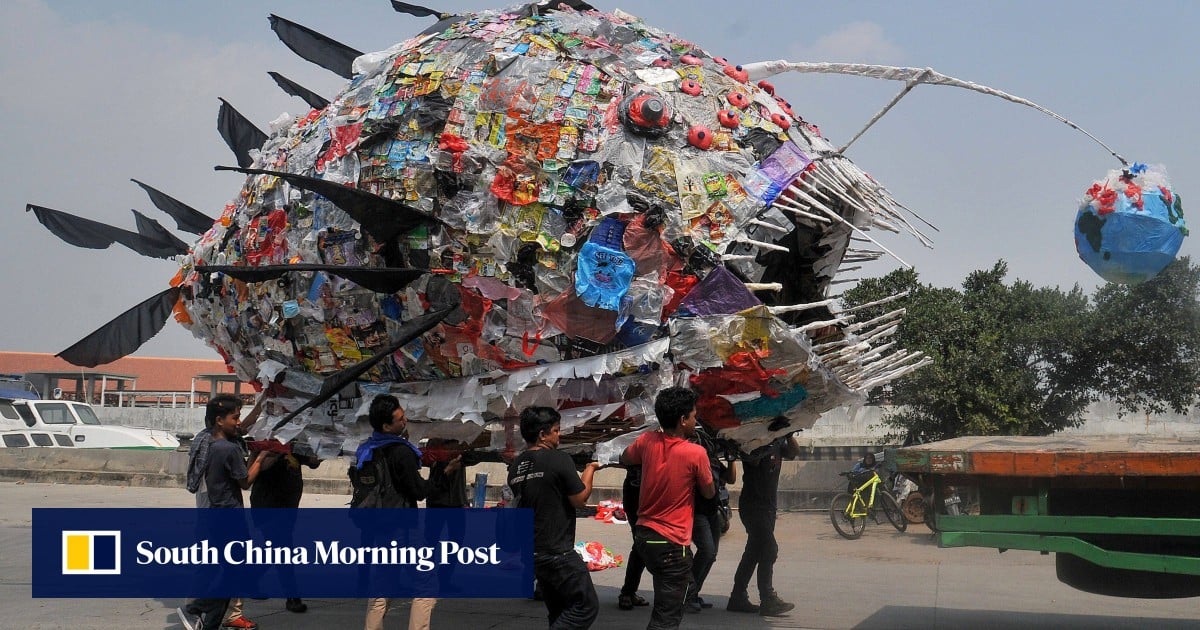
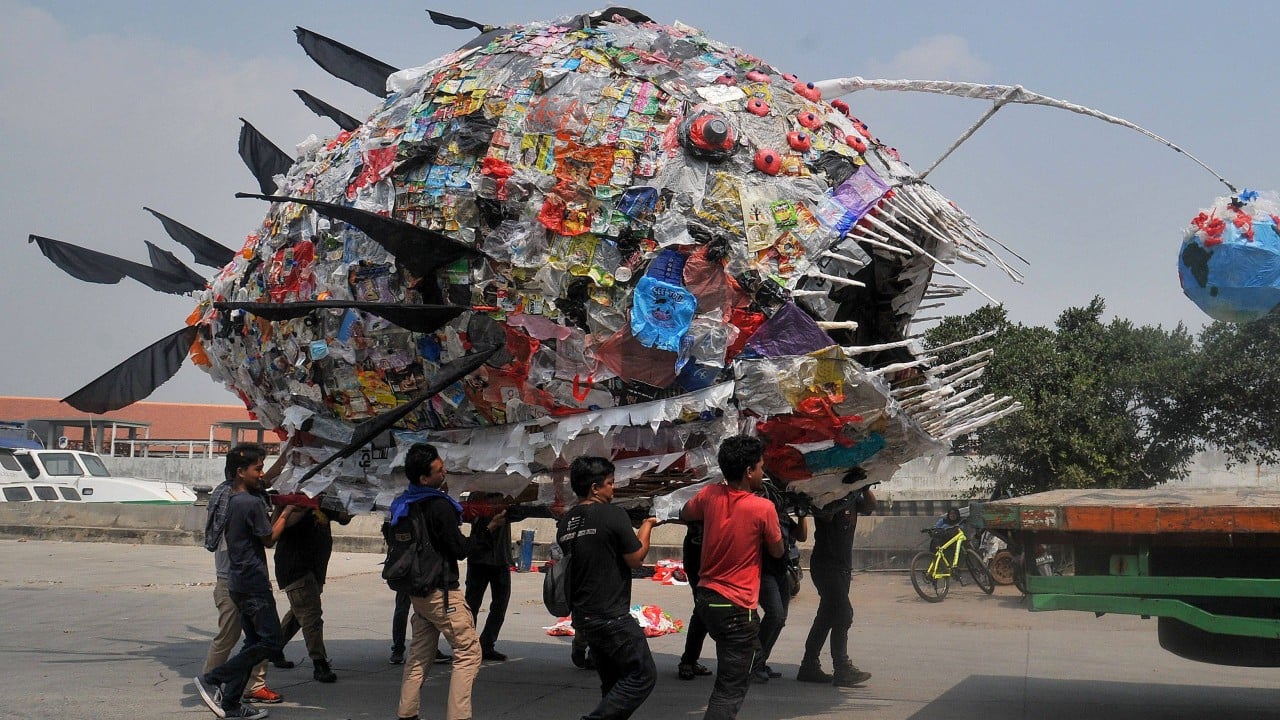
The growing problem threatening marine ecosystems is a cross-border governance test for Asia and the wider developing world, as rising consumption, long coastlines and weak waste systems allow millions of tonnes of mismanaged plastic to leak from land into rivers, coastal waters and the open ocean.
“Pollution knows no border and will continue to bring a tide of plastics and other waste to our shores,” Dunxin Weng, zero waste campaigner for Greenpeace Malaysia, said.
According to a 2024 report by the French Development Agency, Indonesia produces 6.8 million tonnes of plastic waste annually, with an estimated 620,000 tonnes discharged into the marine environment each year.