
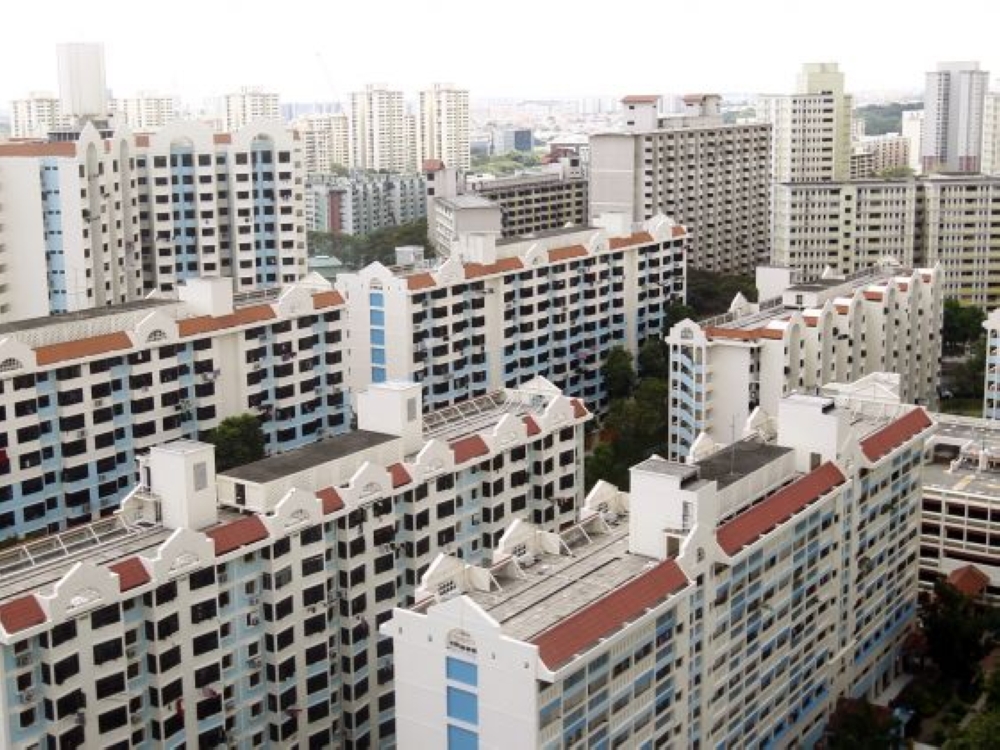
SINGAPORE, July 1 — Housing and Development Board (HDB) flat resale prices fell for a second straight quarter while private home prices continued to rise at a slower pace, according to flash estimates released today.
According to CNA, HDB’s resale price index slipped 0.3 per cent in the second quarter of 2026 after a 0.1 per cent decline in the first quarter, which marked the first drop in nearly seven years.
Huttons senior director of data analytics Lee Sze Teck said the resale market had “remained sluggish” and added that “buyers are cautious in their offered prices in view of the uncertainties in the unemployment market.”
He said “many buyers opted to try their luck for a BTO flat especially in Prime locations.”
Realion (OrangeTee & ETC) Group chief researcher and strategist Christine Sun also cited a “weaker hiring outlook” and said “the softer job market and structural layoffs may instil greater prudence in homebuyers, as any changes can impact buyers’ financial confidence and borrowing capacity.”
She noted that “overall prices dipped at a slightly faster pace, on the back of a decline of average prices across many towns.”
She said transaction volumes were lower year‑on‑year, reflecting a general slowdown.
Of the 16 towns that recorded quarterly price declines, Serangoon saw the largest drop at 7.9 per cent, followed by Marine Parade at 7.6 per cent and Geylang at 6.9 per cent.
As of June 29, resale volume fell 10.2 per cent to 6,268 transactions compared with 6,981 in the same period last year.
Lee said fewer enquiries and longer selling times have emerged, with resale flats now taking an average of two to three months to sell.
He said the market “may likely continue to stay flat” in the second half of 2026 as buyers gain more options from upcoming BTO launches and 13,484 flats reaching their minimum occupation period this year.
HDB plans to launch about 7,960 flats in Bedok, Geylang, Sembawang, Tengah, Toa Payoh and Yishun in the October sales exercise.
The Urban Redevelopment Authority (URA) flash estimates showed private residential prices rose 0.5 per cent in the second quarter, down from 0.9 per cent in the previous quarter.
Prices of non‑landed private homes fell 0.1 per cent overall, compared with a 1.3 per cent increase in the first quarter.
Prices in the Core Central Region rose 2 per cent, up from 0.6 per cent previously.
Prices in the Rest of Central Region fell 1.4 per cent after rising 0.8 per cent last quarter.
Prices in the Outside Central Region dipped 0.2 per cent compared with a 2.2 per cent increase in the first quarter.
Landed home prices rose 2.6 per cent in the second quarter after a 0.4 per cent decline previously.
URA said sale transaction volume was broadly similar between the first and second quarter.
URA added that flash estimates are based on stamp duty submissions and developer sales data from April 1 to mid‑June.
The Ministry of National Development said on June 3 that land for 4,745 new private homes would be released in the second half of 2026.
This brought the confirmed supply for 2026 to 9,320 units and the total private housing pipeline to about 61,000 units.
URA and HDB said “the macroeconomic outlook remains highly uncertain” and urged households to “exercise prudence when purchasing property and taking out mortgage loans.”
SRI head of research and data analytics Mohan Sandrasegeran said private home sales “are expected to regain momentum as fresh wave of residential launches enters the market.”
He said inflation pressures and a moderating economic outlook may make buyers more cautious but added that demand for new launches is unlikely to weaken significantly.
He said the market is likely to see buyers “placing greater emphasis on location, pricing and overall value.”