
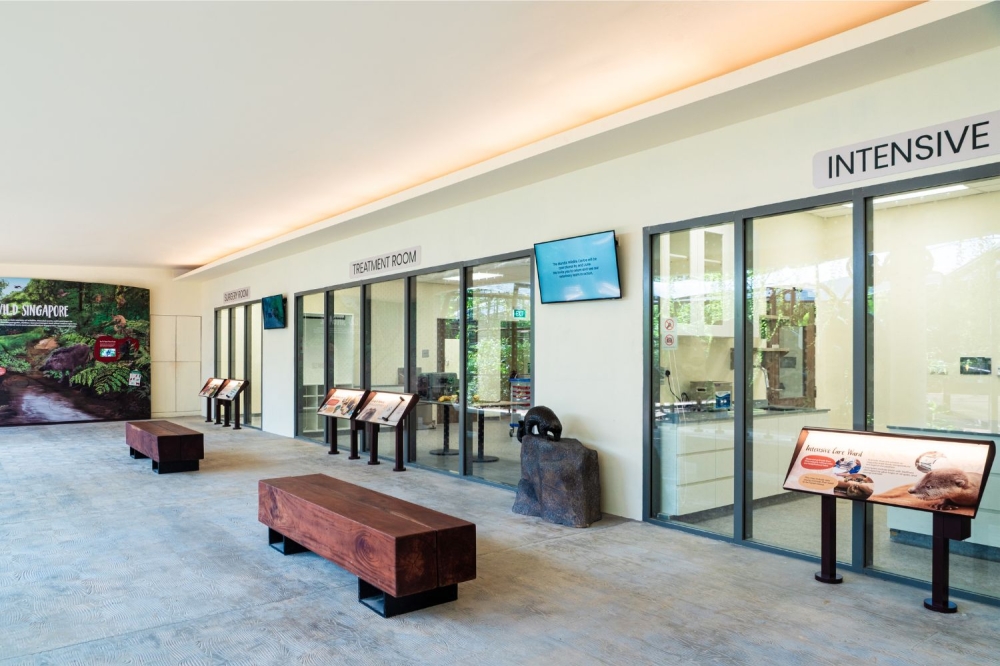
SINGAPORE, July 22 — A new hospital built specifically to treat, rehabilitate and release Singapore’s native wild animals has opened at the Mandai Wildlife Centre, marking a major expansion of the country’s wildlife rescue and conservation capabilities.
According to The Straits Times, the facility, launched on July 22 by Mandai Nature, will focus on caring for injured, orphaned and endangered species — including the critically endangered Sunda pangolin — with the goal of returning them to their natural habitats.
The centre’s four‑member veterinary team handles a wide range of cases daily, from dehydrated hawk‑eagles to orphaned fruit bats and abandoned palm civet kits. Junior veterinary nurse Nadhrah Hassan, who feeds and rehabilitates young civets, said each recovery feels like “giving an animal a second chance at life”.
Unlike Mandai’s existing veterinary hospitals that serve zoo animals, the new centre is designed as a full rehabilitation hub. It includes a 10‑metre flight and exercise yard, a movable surgery table, diagnostic imaging tools, and an intensive care ward. Visitors to Rainforest Wild Adventure East can observe parts of the hospital’s work through a viewing gallery.
The opening comes amid a drop in annual wildlife admissions at Mandai’s previous rescue facility — from more than 2,700 cases before 2015 to about 1,100 between 2022 and 2025 — as more rescue centres have emerged and public awareness has reduced unnecessary transfers. Head veterinarian Dr Charlene Yeong said this allows the team to focus on species needing specialised care.
Young animals often require round‑the‑clock feeding and monitoring. One lesser dog‑faced fruit bat, rescued while clinging to its dead mother, needed seven milk feedings a day before progressing to solid food.
Despite the animals’ appeal, the team emphasises that prolonged human contact can harm their chances of survival. “The longer they stay in human care, the higher the risk they become habituated,” Dr Yeong said.
About 62 per cent of animals treated at the centre have been successfully released, in partnership with the National Parks Board.
The hospital also serves as a research hub, collecting biological samples and tracking data to fill gaps in native wildlife medicine. All reported wild Sunda pangolins are now brought to Mandai Wildlife Centre, with annual admissions rising to between 30 and 40 in recent years. Many suffer injuries from traffic accidents or barbed wire.
Tracking data has also revealed the movement patterns of reticulated pythons — the centre’s most common patient — including one that travelled from western Singapore back to the north after release. Dr Yeong advised the public to leave healthy pythons alone unless they are injured or in danger.
Mandai Wildlife Centre aims to become a regional training hub for conservation science, working with local and international researchers.
For Nadhrah, the mission remains deeply personal. “The challenges I face are minor compared to what wild animals endure in today’s rapidly developing world,” she said. “I feel a responsibility to give them the best chance of returning to where they belong.”