
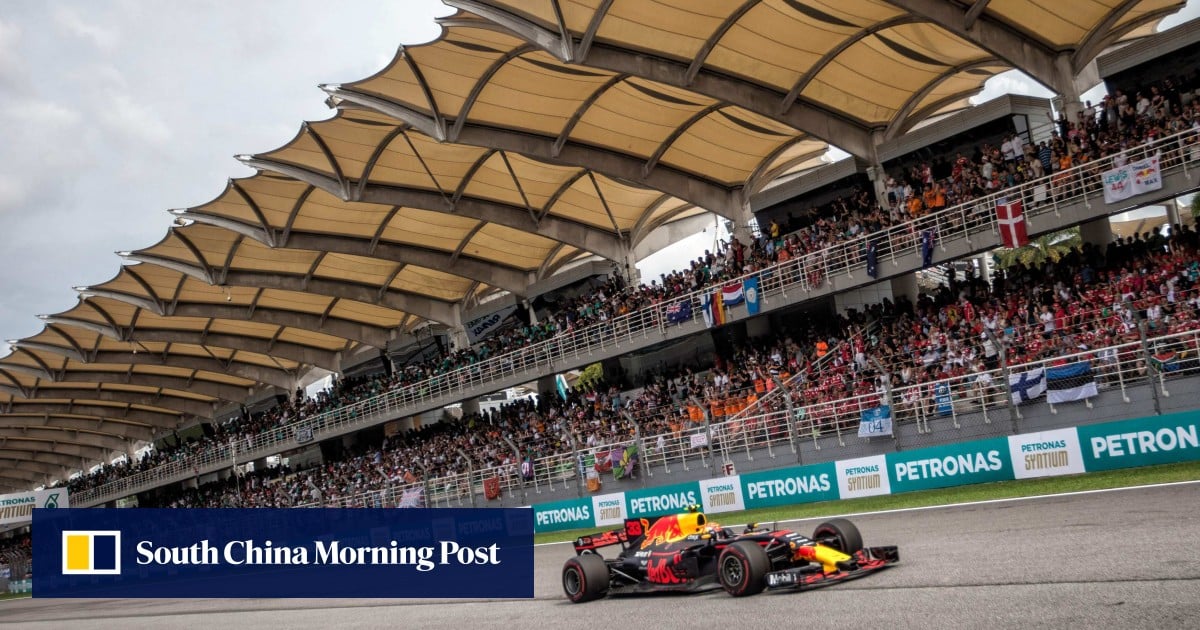
Malaysia once decided Formula One was too expensive to keep, but Bahrain’s displaced Grand Prix has given it an unexpected route back to the calendar, as well as a chance to test whether the sport can still deliver value without the full financial burden of a long-term comeback.
Analysts say the one-off race, made possible by the war in Iran and the cancellation of April’s races in Bahrain and Saudi Arabia, offers Malaysia more than a nostalgic return to Sepang: it provides a timely tourism lift and a chance to position itself as a stable Southeast Asian base for global sporting events.
The race is set to be held at Sepang International Circuit, the former Malaysian Grand Prix venue outside Kuala Lumpur, on the weekend of October 2 to 4, restoring the F1 season to 23 races after disruptions caused by the Middle East conflict.
Formula One said the Sepang race would officially be designated the “Gulf Air Bahrain Grand Prix in Malaysia”, subject to final agreements and approval by the World Motor Sport Council.
Questions remain over whether the season’s closing races in Qatar and Abu Dhabi will proceed as scheduled, with Italy’s Imola circuit reportedly under consideration should further calendar changes be required.
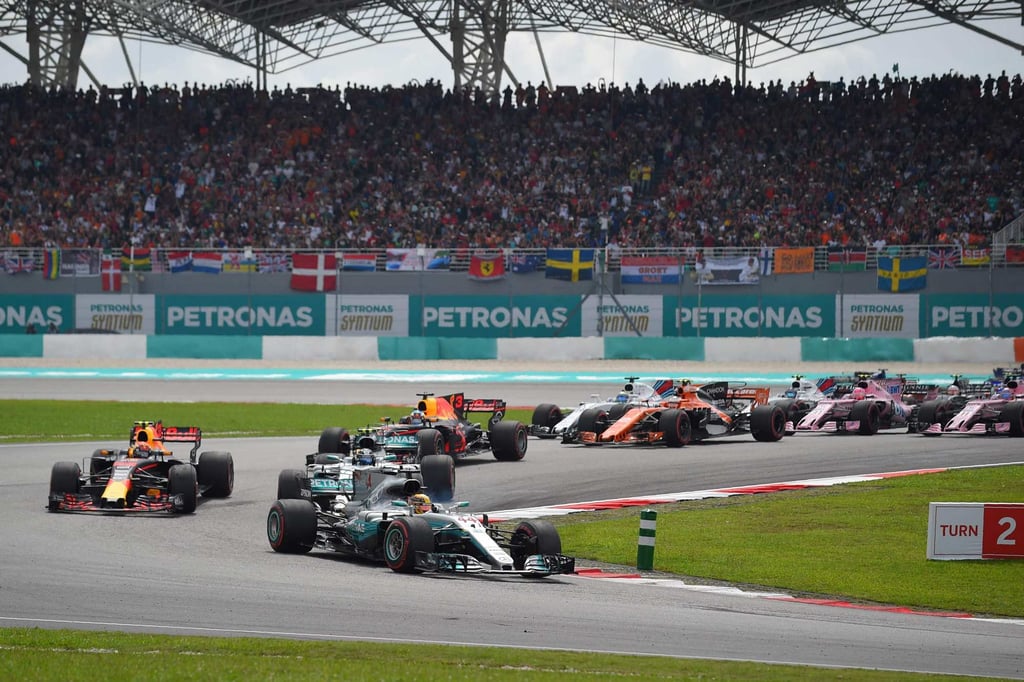
“Sepang holds a special place in Formula One history. It will provide a spectacular setting for racing and an unforgettable experience for fans at the circuit and watching around the world,” F1 CEO Stefano Domenicali said.