
SINGAPORE – The Islamic Religious Council of Singapore (MUIS) will develop a common framework across mosques here that sets out safeguarding principles, responsibilities of mosque personnel, and clear reporting and escalation protocols when concerns arise.
The council will also strengthen safeguarding education by equipping children, youths, parents and educators with practical knowledge and confidence to recognise concerns, respond appropriately and seek help when needed.
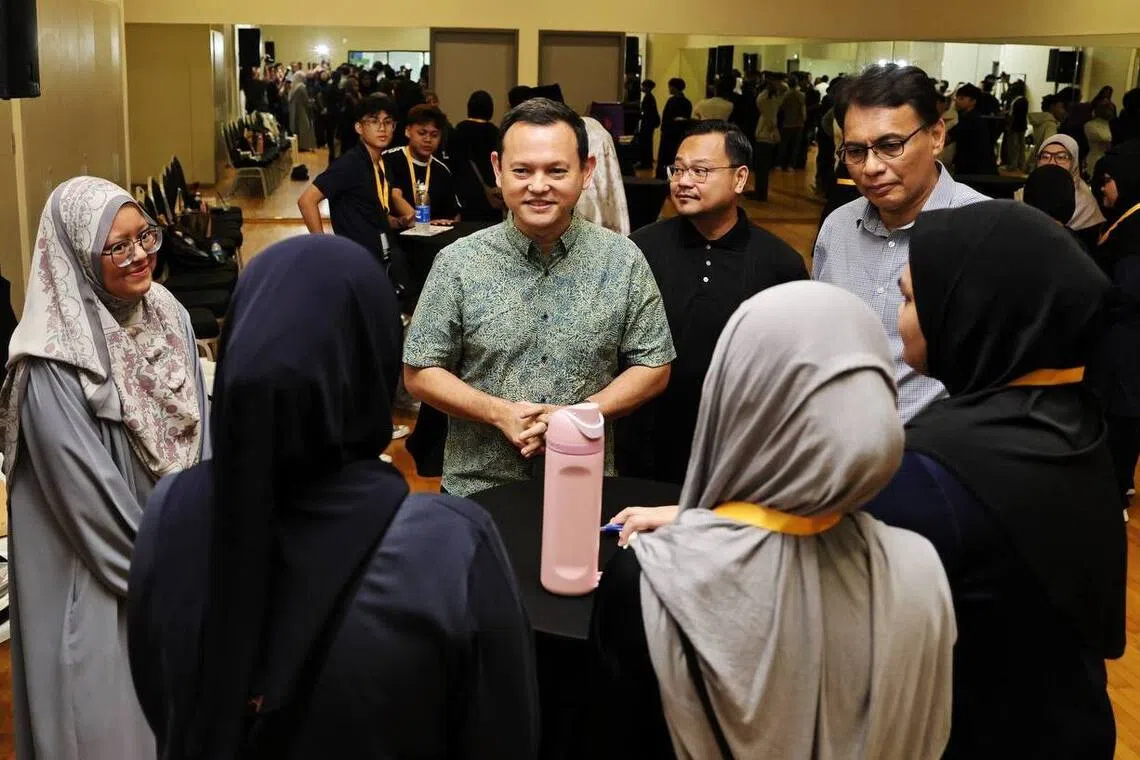
These initiatives were announced by Acting Minister-in-charge of Muslim Affairs Zaqy Mohamad at a community event on Aug 29, and come in the aftermath of a child sexual abuse case in which some of the interactions took place at a mosque.
In a statement, MUIS said safeguarding practices will be strengthened across mosques here, building on existing measures already implemented across the places of worship.
Mosque staff and volunteers will be trained to strengthen their ability to recognise signs of abuse or neglect and to respond appropriately to reports, as well as to maintain professional boundaries and to understand their safeguarding responsibilities.
There will be clearer reporting and escalation protocols to standardise the documentation, reporting and timely escalation of safeguarding concerns, with clear roles and responsibilities across the organisation, it added.
Monitoring of informal gatherings will also be enhanced. MUIS said this involves “a risk-recognition approach to identify recurring mentoring or teaching activities, conduct appropriate checks where necessary, and intervene where there are concerns of unauthorised teaching or inappropriate boundary crossings”.
Finally, MUIS’ district offices will periodically conduct safeguarding audits and spot checks, which involve reviewing physical safety measures such as visibility, lighting, CCTV coverage and signage. They will also reinforce safeguarding practices across mosque premises.
At the community carnival held at the Singapore University of Technology and Design, Zaqy said the recent case involving offences against young people has understandably caused concern, especially among parents.
“Parents want to know that our mosques are safe for their children while remaining open. But at the same time, we also want mosques to be welcoming for prayers, for learning, for the wider community,” he said.
Keeping youth and children safe is something that everyone must work on together, he added.
Zaqy said he had asked MUIS and mosque leaders to build on existing safeguards with a common framework across mosques, clearer responsibilities and processes for raising concerns, and stronger guidance on appropriate boundaries with children.
Safeguards already in place include only allowing religious teachers certified by the Asatizah Recognition Scheme to conduct formal religious classes, registration requirements for external religious groups and CCTV coverage and access controls in some settings.
Children’s activities at mosques are already supervised and there is existing safeguarding training for educators and staff, as well as an incident management and reporting framework.
The acting minister said MUIS will work closely with parents, families, religious teachers and young children themselves, including to help them understand appropriate boundaries, recognise when something may not be right, and know where to seek help – whether in person or online.
“Our mosques must ultimately remain open, welcoming places, and all of us have a part to play in keeping them safe,” he said.
On building youth awareness, MUIS said it has introduced protective behaviour content for students of its aLIVE programme. The national programme teaches Islamic values to children and youth aged five to 20.
Age-appropriate infographics will be shared with students to reinforce these messages, and parents will also be engaged on how to recognise warning signs, speak with their children about personal safety, and where to report concerns or seek support, the council added.
The enhanced safeguards come after a 37-year-old self-styled “religious influencer” was on Aug 17 sentenced to 27 years and 10 months’ jail and 24 strokes of the cane for sexually abusing two young boys.
The man had repeatedly raped the younger brother, who was then between six and eight years old, at various locations, including in a toilet at the mosque where they often prayed together.
He later directed his attention to the older boy, who was 11 to 12 years old, and molested him on several occasions.
In a Facebook post on Aug 18, Zaqy said he had instructed MUIS to further review its safeguards following the case.
At the aLIVE Service Learning CARE-nival on Aug 29, Zaqy said the community event showed young people not just learning about their faith, but also giving back.
The carnival saw students put their Islamic values into action by working together to organise game booths for beneficiaries.
It brought together about 630 students from 23 mosques and 250 beneficiaries from organisations supporting individuals with special needs.
Zaqy said: “We want our mosques to be places where our young people feel comfortable coming back – to pray, learn, meet friends, ask questions, contribute and grow – and they must also be places where our children and youths feel safe.”