
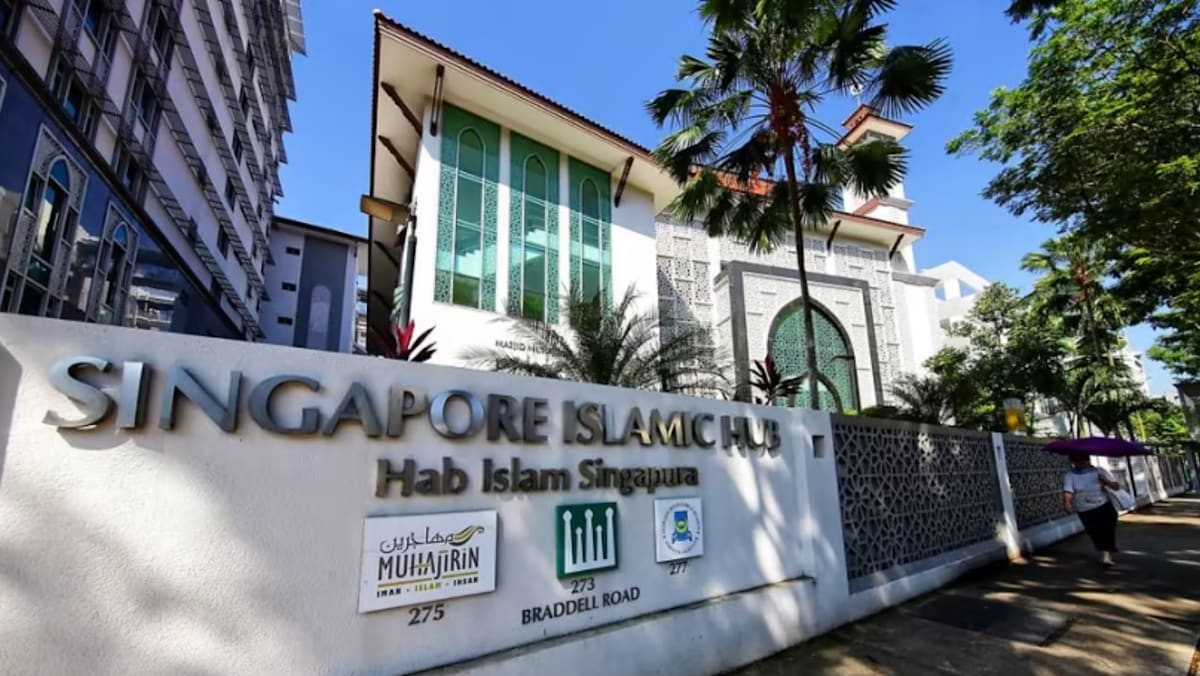
SINGAPORE: People and organisations that regularly provide Islamic instruction to 10 or more individuals in Singapore must now register with the Islamic Religious Council of Singapore (MUIS), under expanded requirements that took effect on Friday (Oct 2).
The rules cover instruction conducted in person, including at home, as well as online, and apply to settings ranging from full-time and part-time madrasahs to Quranic classes.
Travel agencies that conduct Umrah and Hajj preparatory classes will also have to register as Muslim Religious Schools (MRS).
Around 50 individuals and organisations are expected to come under the expanded registration requirements, MUIS said in a media release on Saturday.
The changes stem from the Administration of Muslim Law (Amendment) Act 2024, which was passed by parliament in February 2024, as well as amendments to subsidiary legislation.
Under the updated framework, any person, organisation or place that provides Islamic instruction at least once a month to 10 or more individuals must register with MUIS.
Existing registered MRS do not have to register again and can continue operating under their current registration.
Providers that fall under the MRS definition but are not registered have until Mar 31, 2027 to submit their applications. They can continue operating during the transition period.
Registration opened on Saturday.
Registered providers must ensure that Islamic instruction is delivered only by religious teachers, or asatizah, recognised under the Asatizah Recognition Scheme (ARS). The Islamic curricula they use must also be verified by MUIS.
MUIS officers will be authorised to inspect registered MRS, including by attending Islamic instruction conducted physically or online.
The registration requirements do not apply to Islamic instruction provided exclusively to family members or the personal sharing of religious views among family and friends.
Religious services that do not involve teaching, such as ruqyah and funeral services, are also excluded. Online religious classes conducted outside Singapore do not require registration.
The number of registered Muslim Religious Schools and Islamic education centres and providers increased from 303 in 2017 to 475 in 2025.
Over the same period, the number of registered religious teachers under the ARS increased from 4,744 to 5,205. Religious teachers who provide religious instruction to the community must be recognised under the scheme.
HIGHER QUALIFICATIONS FOR NEW RELIGIOUS TEACHERS
Changes to the Asatizah Recognition Scheme also took effect on Friday.
New applicants seeking Tier 1 recognition must now hold at least a degree in Islamic Studies.
The requirement does not apply to existing Tier 1 asatizah, including those whose recognition is due for renewal.
A one-year debarment period will also apply to unsuccessful applicants and those whose recognition has been cancelled or not renewed, to encourage them to improve their competencies before reapplying.
Asatizah who voluntarily cancel their recognition because they no longer intend to teach will not be subject to the debarment period.
MUIS will also have greater flexibility to adjust suspension periods when more time is needed to complete investigations.
Members of the public can check MUIS’ ARS directory to determine whether an asatizah is recognised and its MRS directory to check whether an Islamic education provider is registered.