
COE CONSIDERATIONS
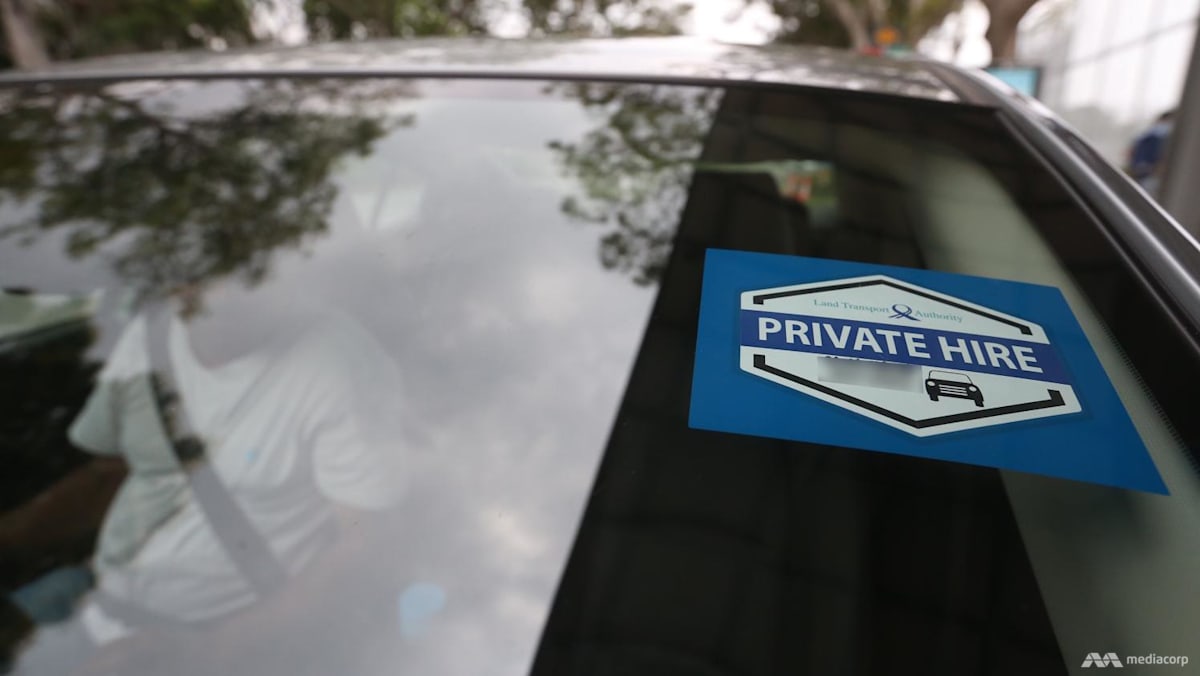
The government said it had separately considered other measures, including creating a dedicated COE category for private-hire and car-leasing companies.
“However, this will likely result in higher rentals for PHC drivers and higher fares for PHC users, thus disadvantaging those who do not own a car or cannot drive,” the authorities said.
“It will also require more prescriptive rules on PHC drivers and cars, thus reducing the flexibility to meet the commuting demand of PHC users.”
In response to media queries on Thursday, the Land Transport Authority said creating a separate COE category for PHCs would not increase the overall supply of COEs, but would instead reduce the quota available to other car buyers.
“Setting aside too few COEs could constrain the supply of PHCs and lead to higher fares for commuters,” it noted.
On the other hand, setting aside too many COEs to PHCs could reduce the quota available to individual car buyers and drive up premiums further.
“Creating a separate PHC category would therefore introduce additional trade-offs without necessarily lowering COE premiums for individual car buyers,” LTA said.
LTA agency also said it does not intend to prohibit motor dealers from bidding for COEs on behalf of buyers, noting that many motorists value the convenience and services offered by dealers.
Instead, LTA said it was working to give individuals “greater choice and control” over the bidding process.
This includes working towards allowing individuals to submit initial COE bids online and exploring requirements for dealers to publish car prices both with and without COE.
“These measures would make it easier for buyers who prefer to bid for COEs themselves, while providing greater price transparency so they can better compare prices across dealers and make informed decisions,” LTA said.
OTHER MEASURES
On suggestions to introduce a surcharge for second and subsequent cars, LTA said such a move was unlikely to have a significant impact on COE premiums.
While a surcharge could discourage multiple-car ownership and free up more COEs for first-time or single-car owners, the authority noted that multiple-car ownership had been declining.
In 2025, about 13 per cent of car-owning households owned more than one car.
“While a surcharge could moderate demand from households seeking to own multiple cars, and distribute the quota across a broader pool of households, multiple-car owners are not a key driver of demand in today’s COE market,” LTA said.
“A surcharge on multiple-car ownership is unlikely to have a significant impact on COE prices.”
Such a policy would also be difficult to administer fairly or effectively, LTA said.
“For example, some households include several generations living together, while others may require more than one vehicle because of caregiving responsibilities.”
Authorities said the government would continue to monitor market developments and could take further steps to ensure that financing restrictions were applied consistently across different arrangements, including in-house loans.
It would also work closely with platform operators to implement the measures effectively and consistently.
“We advise all prospective car buyers to borrow within their means and avoid unregulated financing schemes,” the authorities said.