
MAKING A FILM IS EASIER, BUT MAKING A GOOD ONE ISN’T
But even as AI makes filmmaking easier, it does not guarantee success with audiences.
Two AI-generated local films released over the National Day weekend divided viewers. Trace Project, for example, drew criticism over its characters, dialogue and inaccuracies – including a Singapore flag with six stars.
The response points to a gap between what AI makes possible and what audiences find convincing. It also raises the question of how much of the creative process should be handed over to machines.
Visual artist Debbie Ding, who is also assistant professor of practice in digital arts at the Singapore University of Technology and Design, sees value in tools that make the creative work more accessible.
But she cautioned against tools that take over the entire process.
“It’s a black box that the artist doesn’t know what’s inside,” she said, adding that this can obscure the amount of “skill and experience” behind an artist’s work.
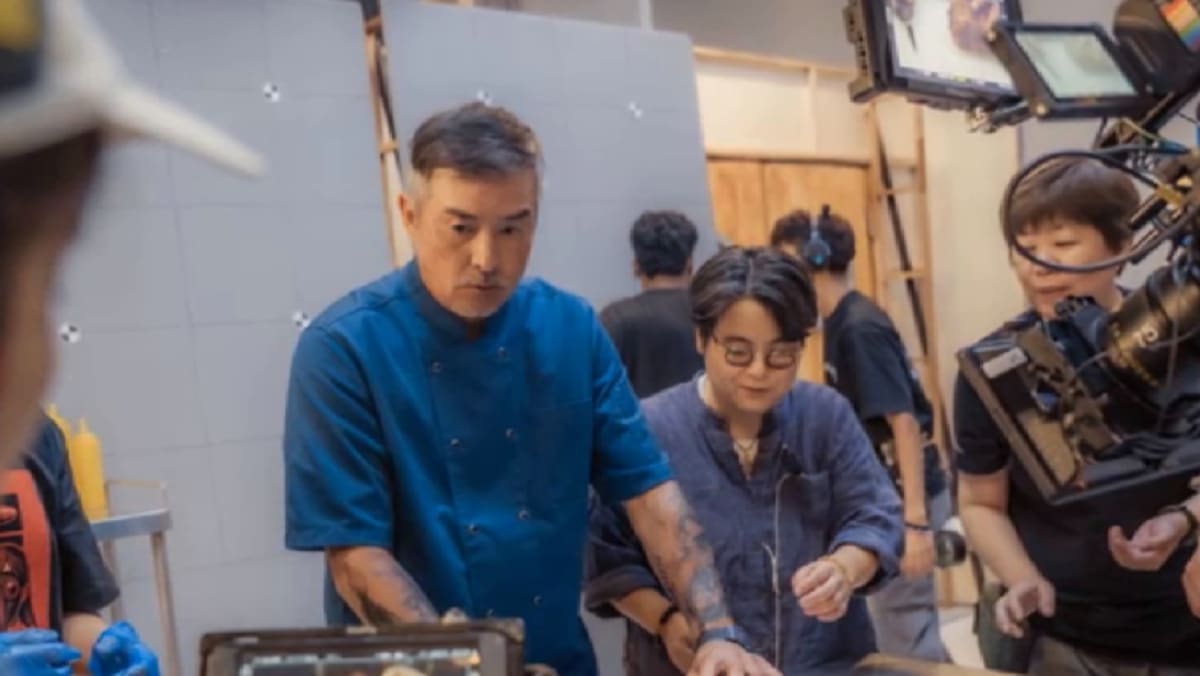
For all the advances in generative video, one major limitation remains: human performance.
“AI still cannot replicate actors’ performance, actors’ real emotion, and how the actors react to the scene, to the people … small nuances that actually bring the performance to life,” said Mr Kwong.
Those imperfections are part of what makes performances believable, said chairperson of The Actors’ Society Laura Kee.
“You don’t want to see perfect expressions. You want to see the sweat on the brow of the actors. You want to hear them perhaps muffling or stumbling over one word or two,” said Ms Kee.
“When it’s all dictated by generative AI, sometimes it’s difficult to bring that imperfection and that humanness to performance.”