
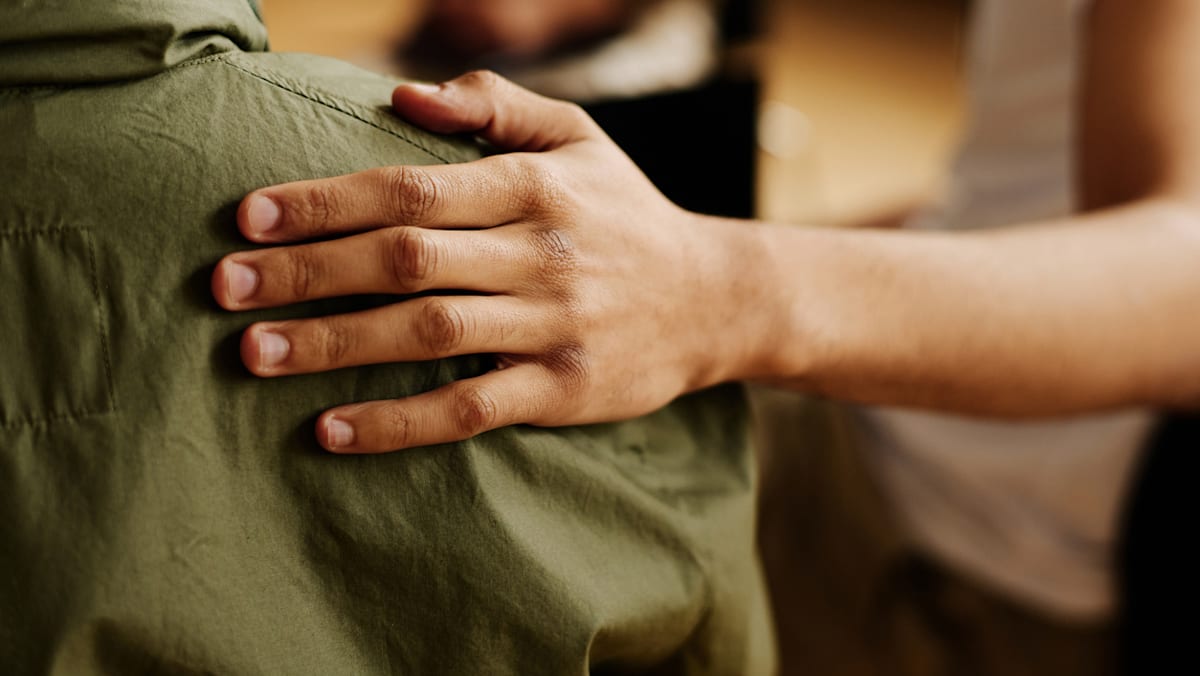
If you witness someone in visible distress in public, consider the following:
1. Do not crowd, stare or film
These actions increase anxiety and perceived threat. If there is no immediate danger, giving space is often the kindest response.
2. Alert staff early
Public transport staff and security often have direct lines to control rooms and emergency services. Your role is not to replace these systems, but to activate them. The earlier they are informed, the more options they have.
3. If you must stay nearby, stay calm and quiet
If the situation feels safe and the person seems receptive, a simple “Are you okay?” in a gentle tone may help but avoid questioning or engaging with distressing content. Empathy is key.
4. Recognise your limits
No one should expect members of the public to physically intervene, especially in situations involving weapons or active violence. Self-preservation and the safety of others come first.
Singapore has made real progress in mental health literacy. But awareness alone is not enough. People need to know what to do and what not to do, without being shamed for choosing safety.
It is about understanding that erratic behaviour in public is not content to be harvested for likes or comments. It is often a sign that someone, somewhere, needs help. How we respond to that need, whether we reach for our phones or pause to act more thoughtfully, says a great deal about the kind of society we are.
Jared Ng is a psychiatrist in private practice. He was previously chief of the Department of Emergency and Crisis Care at the Institute of Mental Health.