
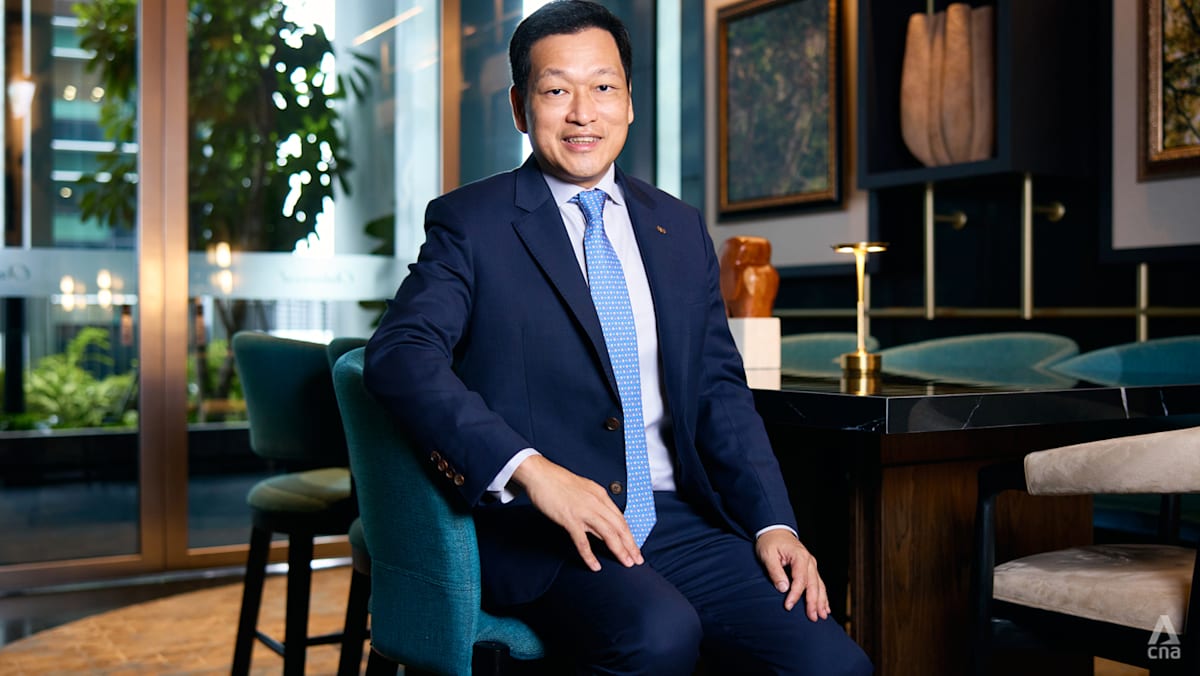
For decades, much of the global hospitality industry’s growth and influence was centred on North America and Europe. Today, Goh believes more of that momentum is shifting towards Asia.
“The most exciting opportunities in hospitality today are in experience,” he said. “Compared to more mature markets like the US and Europe, the Asia-Pacific is where that shift is now happening at speed and at scale.”
A growing middle class, rising disposable incomes and younger consumers prioritising travel have helped fuel hospitality growth across the region.
But Goh is careful not to treat Asia-Pacific as a single market. Singapore, Tokyo and Sydney are mature gateway cities where expectations continue to rise, while fast-growing secondary cities and emerging leisure destinations are creating new sources of demand.
Vietnam, in particular, stands out. Already a major leisure destination, the country is also seeing growth in business travel, wellness tourism, MICE and extended stays, Goh said.
Infrastructure investment continues at pace, while new coastal destinations are steadily moving onto travellers’ radar.
For Ascott, which has operated in Vietnam for more than three decades, the opportunity extends well beyond adding pins to a map. It recently signed management agreements for eight new properties in a single month, bringing its portfolio in the country to more than 40 operational and pipeline properties.
“The pipeline reflects where we think Vietnam is heading, and we are building ahead of that curve,” Goh said.