
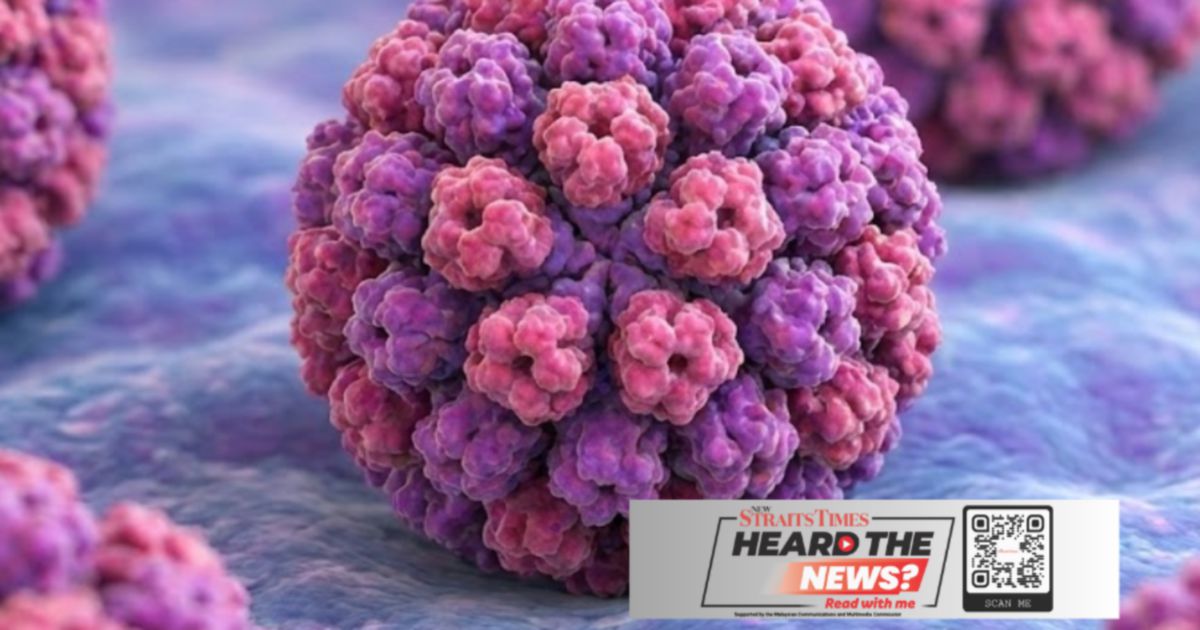
The Human papillomavirus (HPV) is the most common sexually transmitted infection worldwide.
While cervical cancer is its most devastating consequence, HPV also causes other cancers, including anal, penile and throat cancers.
More importantly, HPV affects both men and women, yet misconceptions persist that it is solely a women’s health issue.
There is currently no screening test for men, but vaccinating boys also protects them against HPV-related cancers and reduces the circulation of high-risk HPV strains. This lowers overall prevalence in the population and accelerates herd immunity, indirectly protecting women.
HPV is so common that most people will encounter it in their lifetime, and the immune system often clears the virus naturally.
What matters is access to accurate screening and timely treatment.
“Men may be more susceptible to HPV-related cancers, but the silence around it? That’s deadly,” says Gleneagles Hospital consultant urologist Professor Dr George Lee.
There is also a need for men to be active allies in cervical cancer elimination, not only by supporting vaccination and screening, but also by dismantling stigma and normalising conversations about HPV.
They can advocate HPV vaccination for daughters and sons, where possible, to protect future generations, help reduce misconceptions and normalise conversations about HPV and cervical cancer.
“Cervical cancer elimination is not just a woman’s issue, it is a collective responsibility,” says Selina Yeop Junior, founder of Teal Asia, Malaysia’s first peer-to-peer cervical cancer support movement.
By engaging men as allies and strengthening partnerships across sectors, Malaysia can accelerate progress toward the World Health Organisation’s elimination targets and ensure that cervical cancer becomes a disease of the past.
© New Straits Times Press (M) Bhd