
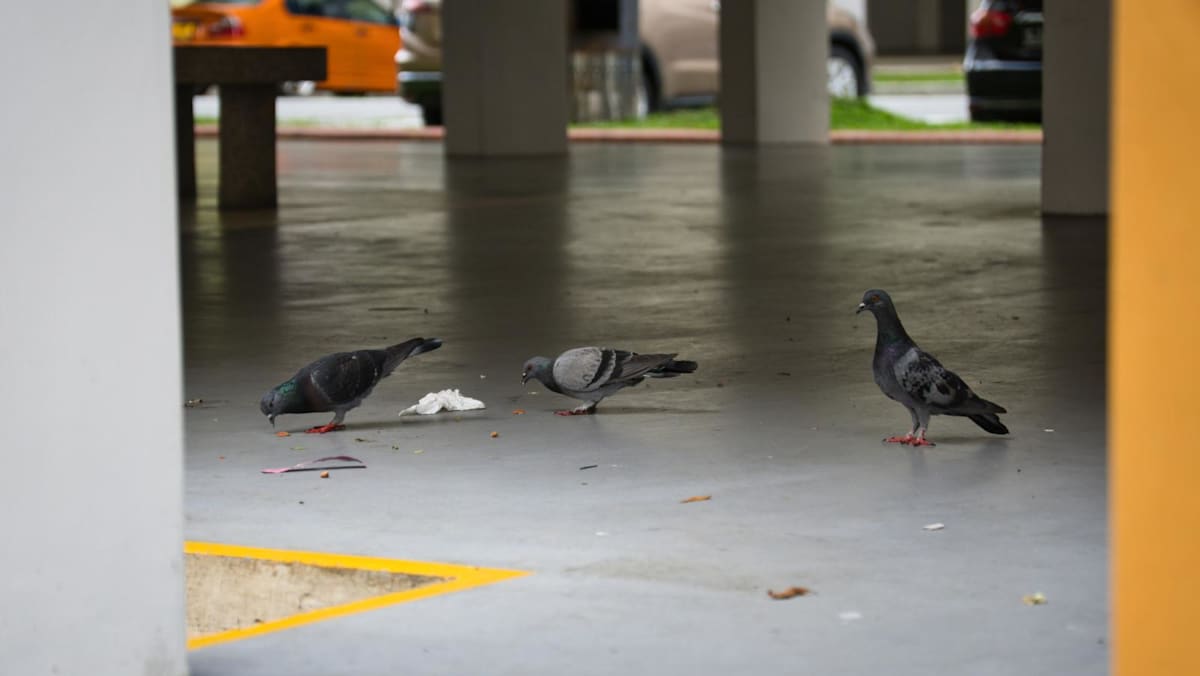
Lions Befrienders’ Ms Wee attributed it to several factors, including force of habit, social isolation, spiritual beliefs and possible mild cognitive impairment.
Some seniors form a habit of feeding birds to make up for the loss of routine and structure in their lives, which they might have got from going to work when they were younger.
Loneliness might motivate them to look for companionship among birds and other animals, said Ms Wee.
Spiritual beliefs around kindness and karma, which in Buddhist practice can take the form of “life release” or freeing captive animals into the wild, may be an influence, she added.
Mild cognitive impairment may also explain why some seniors cannot understand how feeding harms animals even after it has been repeatedly explained to them, she said.
Unable to rationalise these explanations, they may continue to base their actions on positive childhood experiences with feeding animals and childhood lessons around reducing food waste, said Ms Wee.
Ms So Man Shan, manager at AWWA Active Ageing Centre, agreed that seniors may gain a sense of routine and connection to their surroundings by feeding birds.
This is especially so for those who feel socially isolated or have limited opportunities for purposeful engagement.
They may also not be aware of the environmental and public health implications, she said, stressing the importance of outreach and education.
Feeding wild animals can lead to unsustainable growth of their populations and harm their health if they are fed foods that do not meet their nutritional requirements.
When it comes to wild birds, pigeons, crows and Javan mynas are considered invasive species that can out-compete native birds. Their droppings also dirty the environment.
NParks is set to resume crow shooting in March, as reports of crow attacks increased fourfold from 2020 to over 2,000 cases in 2025.
Reducing human sources of food was one of the crow population control measures taken, along with trapping and removing crows and their nests, before resorting to culling.
GOING COLD TURKEY
NParks raises seniors’ awareness about the negative effects of bird-feeding through outreach talks under an initiative called “Our Avian Neighbours”, said Mr How.
It also works with town councils, the Municipal Services Office, the People’s Association and the Agency for Integrated Care (AIC) to better understand the motivations behind illegal bird-feeding and find solutions to discourage it.
AIC may link seniors to befriending services or active ageing centres to help keep them engaged in the community.
“Many seniors are looking for routine, connection, and a sense of purpose,” said AWWA’s Ms So.
She said it is important for community initiatives to go beyond one-off activities, and to create regular, accessible touchpoints where seniors feel valued and able to contribute.
For example, interest-based groups, intergenerational activities, animal-assisted sessions and volunteering roles at AWWA Active Ageing Centre help seniors to nurture interests while building friendships and social networks.