
KUALA LUMPUR: The Badminton World Federation (BWF) is giving its World Tour a major overhaul by expanding five flagship Super 1000 tournaments into 11-day events, spread across two weekends, from the 2027-2030 cycle.
Each Super 1000 tournament will offer a total prize purse of US$2 million (RM7.86 million), while BWF also confirmed a 36-tournament World Tour calendar for the same period.
Under the revamped structure, the tour will comprise the World Tour Finals, five Super 1000 tournaments, five Super 750 tournaments, nine Super 500 tournaments, eight Super 300 tournaments and eight Super 100 tournaments, which are now fully integrated into the World Tour.
The biggest change will be at Super 1000 level, where singles draws will be expanded from 32 to 48 players.
A group-stage format followed by knockout rounds will replace the current straight knock-out system.
Doubles events, however, will retain a 32-pair knock-out format.
At present, Super 1000 tournaments are staged over six days during the 2023-2026 cycle.
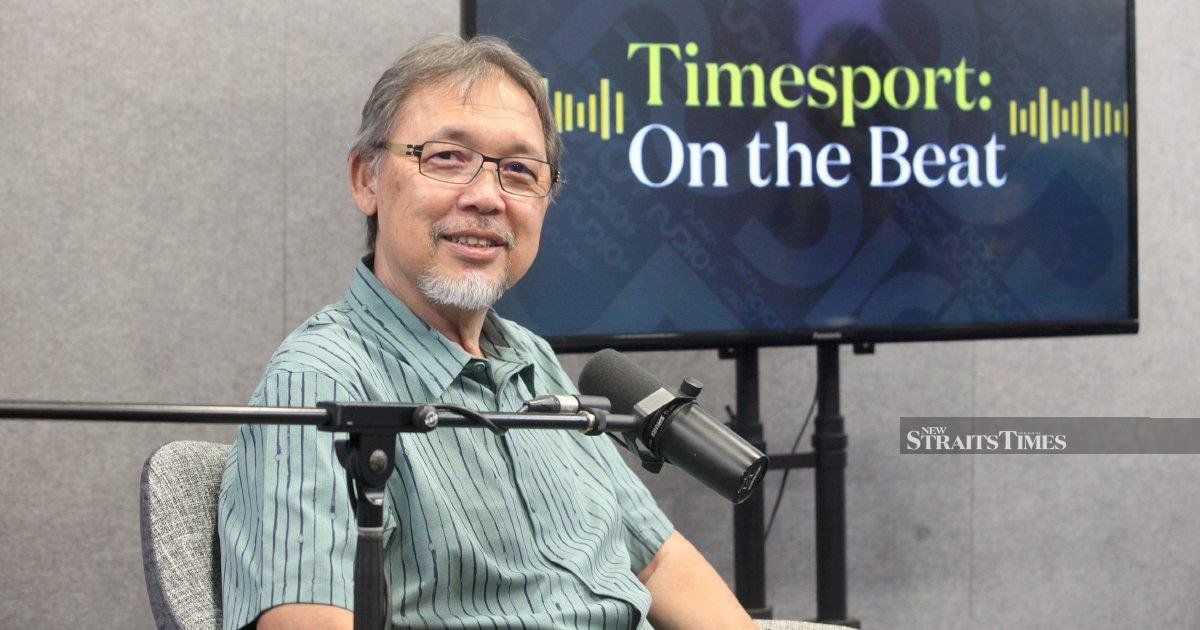
Former international Datuk Razif Sidek believes the new format will place a heavy financial burden on national associations, including the Badminton Association of Malaysia (BAM), as well as independent shuttlers.
“An 11-day event is definitely too long for badminton. There will be too many rest days,” said Razif.
“But the biggest drawback is that players will feel the financial pinch.”
“Under the current format, a player or a pair can compete in a Super 1000 and a Super 750 tournament over two weeks and potentially earn more prize money and ranking points.
“Even though the prize money for Super 1000 events has increased, I don’t think it will compensate for the higher accommodation costs that associations and independent players will have to bear.”
Razif warned that the situation would be even tougher for those eliminated early.
“If a player or pair exits at the group stage, they may have to wait up to 10 days before the next tournament,” he said.
“Going home and travelling again will only push their expenses even higher.”
However, Razif said the extended format could suit older players.
“Veteran shuttlers may benefit from longer recovery periods between matches,” he said.
“They can rest, recover and fight again.”
“But other players may lose momentum, and some could also lose focus.
“Super 1000 tournaments should be reserved for the top 32 players so fans get quality matches.
“I don’t think there will be much excitement if a world No. 1 is playing against someone ranked No. 48,” he added.
© New Straits Times Press (M) Bhd