
SINGAPORE – A team of four trained responders from the Singapore Red Cross (SRC) will be sent to Sri Lanka from Dec 19 to 25 to support the ongoing relief efforts in the aftermath of Cyclone Ditwah and prolonged monsoon rains.
In a statement on Dec 19, SRC said access to safe shelter, healthcare, sanitation and livelihood recovery remains to be urgently needed in Sri Lanka, weeks after it was hit by the cyclone, one of the country’s worst natural disasters in recent years.
The SRC team will work with the Sri Lanka Red Cross Society to support temporary shelters and medical camps for flood-affected communities, and to assess evolving humanitarian needs to aid early recovery planning, among other roles.
“While many of us are preparing to spend the year-end with our families, thousands of families in Sri Lanka are still trying to rebuild their lives,” said SRC volunteer Thakshayeni Skanthakumar, who is among the four being sent to Sri Lanka.
“Being there during this period is about standing in solidarity and supporting recovery where help is still urgently needed.”
The deployment follows a
$50,000 cash contribution by
SRC earlier in December
to buy and distribute relief items.
SRC also urged Singaporeans to help affected communities in Sri Lanka through the organisation’s fund-raising appeal, which ends on Jan 31.
Funds raised through this appeal will go directly towards urgent relief and early recovery efforts in close coordination with the Sri Lanka Red Cross Society.
Singaporeans can donate via credit card at the SRC’s
Giving.sg
page for affected communities in Sri Lanka.
They may also donate via PayNow using the QR code available on the SRC’s
website
.
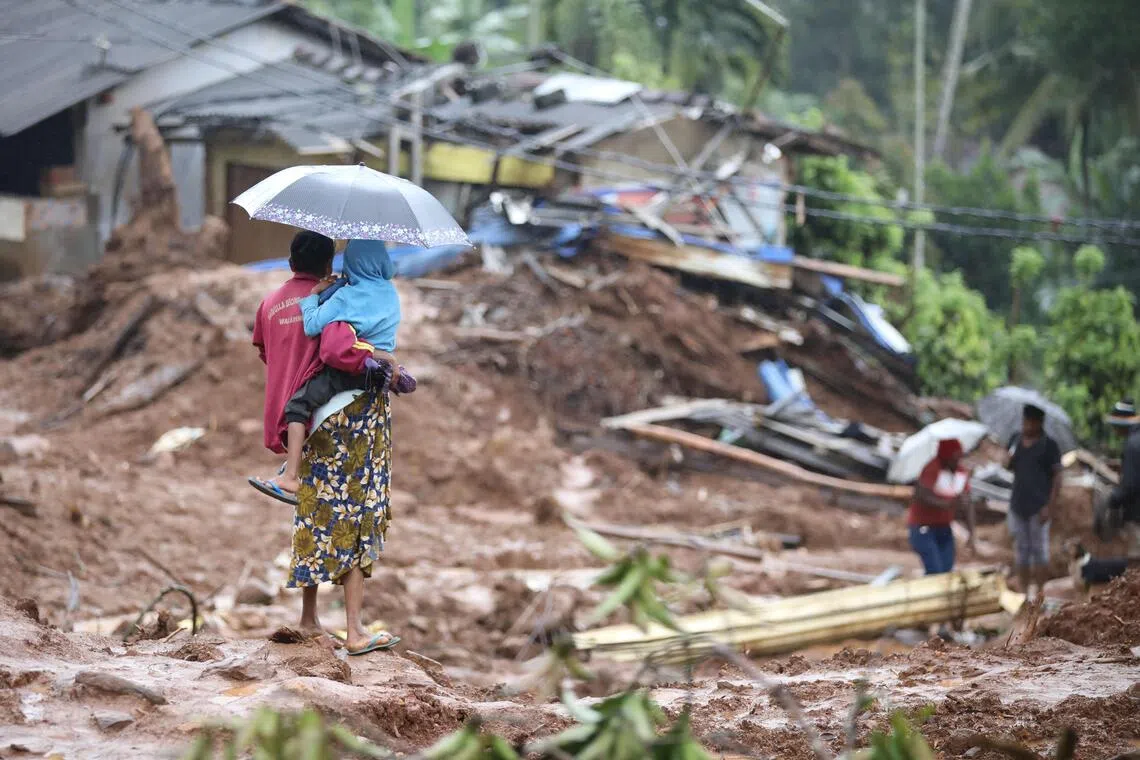
In late November, Sri Lanka was hit by floods and landslides caused by Tropical Cyclone Ditwah, with rebuilding costs estimated at around US$7 billion (S$9 billion).
More than 630 people have been killed and 70,000 displaced due to the deadly natural disaster.
The cyclone struck regions already weakened by years of economic stress, and
recovery is likely to be slower and more costly
in regions where severe flooding and high vulnerability overlap, Ms Azusa Kubota, the United Nations Development Programme resident representative in Sri Lanka, told Reuters.