
GEORGE TOWN, Dec 7 — There is something about a world in miniature that fascinates people.
Be it a built-to-scale miniature cafe complete with tiny human figures holding even smaller cups in their hands, or a weathered military aircraft painstakingly painted to look like the real thing, these miniature replicas tend to draw the eye for how realistic they appear.
Miniature models of buildings, vehicles, figurines and dioramas may look like toys, but in the world of miniature modelling, the tedious task of putting them together is no child’s play.
The making of miniatures — known as miniature modelling — is a growing hobby that modellers take seriously.
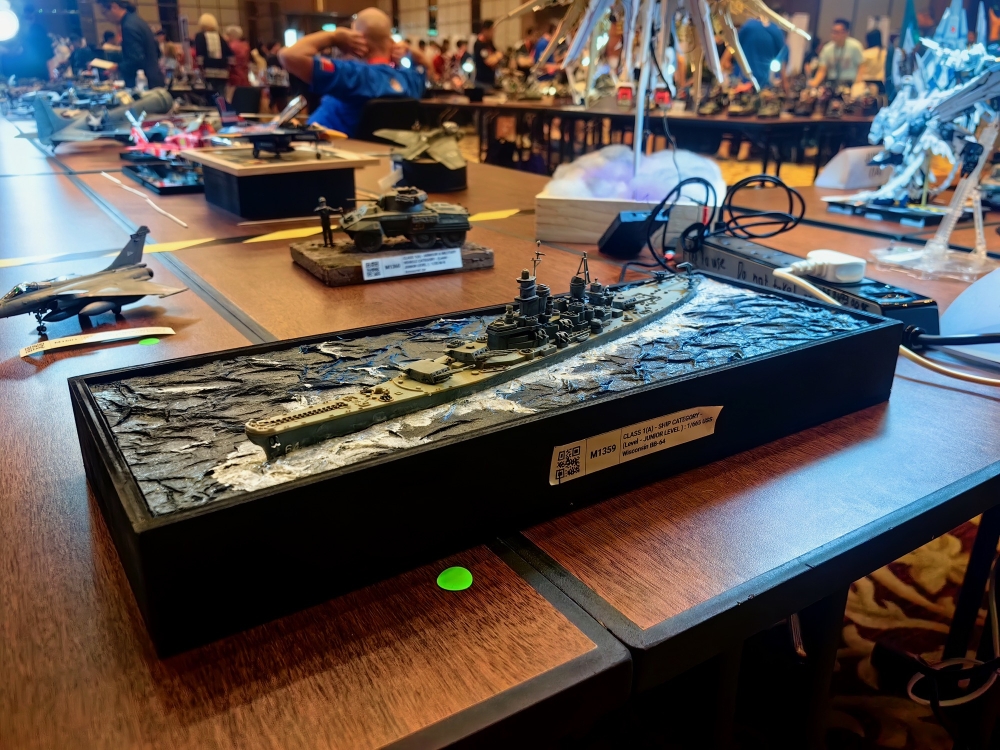
A military model on display at Malcom 2025. — Picture courtesy of Penang tourism and creative economy committee (Petace)
So what is miniature modelling?
It is a creative pastime that focuses on building, assembling, painting and displaying small-scale replicas of real or fantasy objects, scenes, figures or environments.
There are also career modellers who build replicas to scale for museum displays, exhibits and commissioned works.
Miniature modelling involves artistry, craftsmanship, research and, in many cases, storytelling.
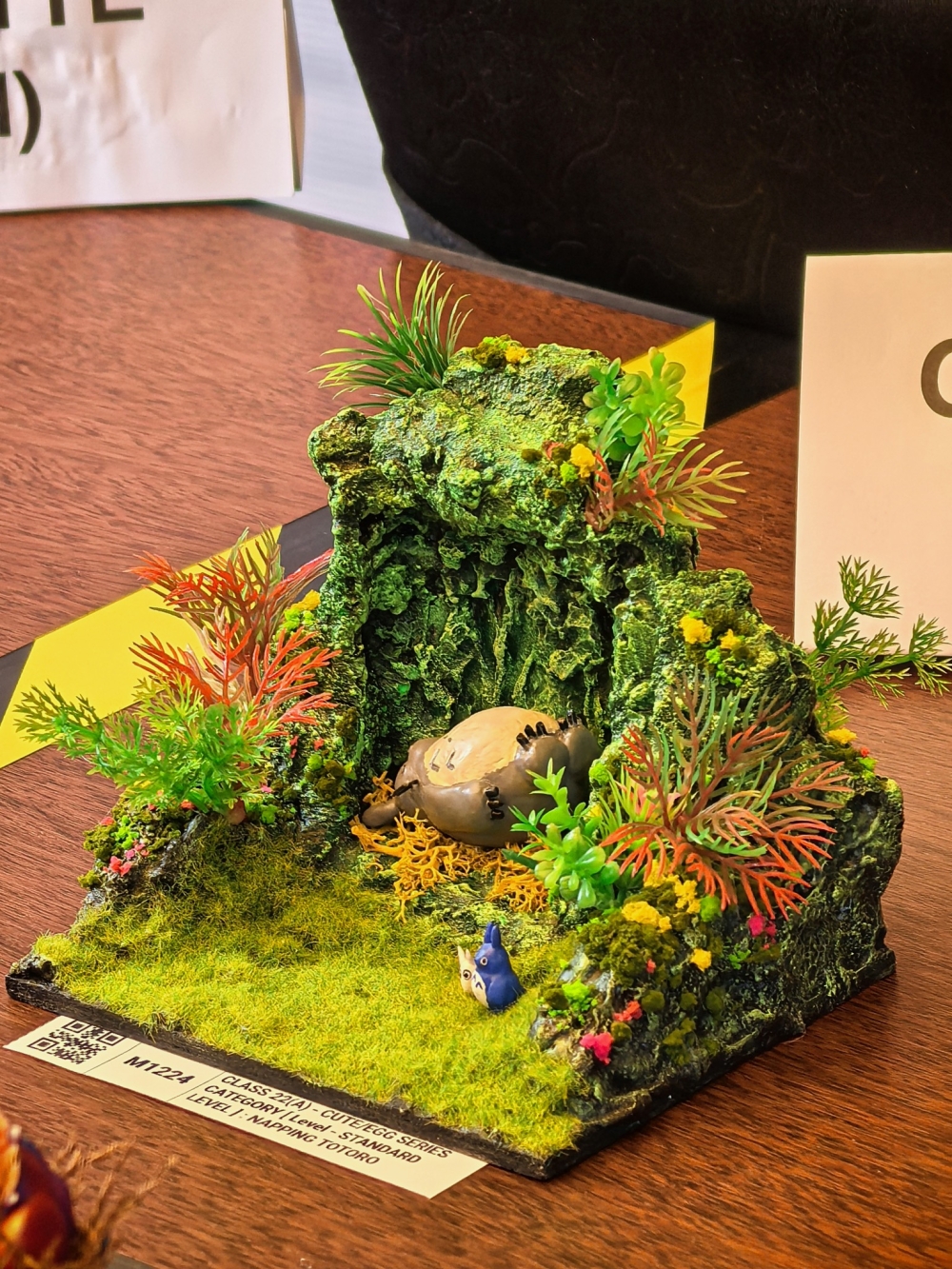
A model complete with diorama of Totoro in the forest on display at Malcom 2025. — Picture courtesy of Penang tourism and creative economy committee (Petace)
What do they build?
The models are usually tiny, highly detailed versions of buildings and structures; vehicles such as aircraft, ships, cars and trains; figurines of people or fantasy creatures; war-gaming miniatures depicting historical battles or surreal worlds; and dioramas that tell stories.
These models are built according to different scales, such as 1:12 for dollhouses, 1:24 or 1:35 for architectural and military models, 1:43 or 1:64 for vehicles and 28mm for gaming figures.
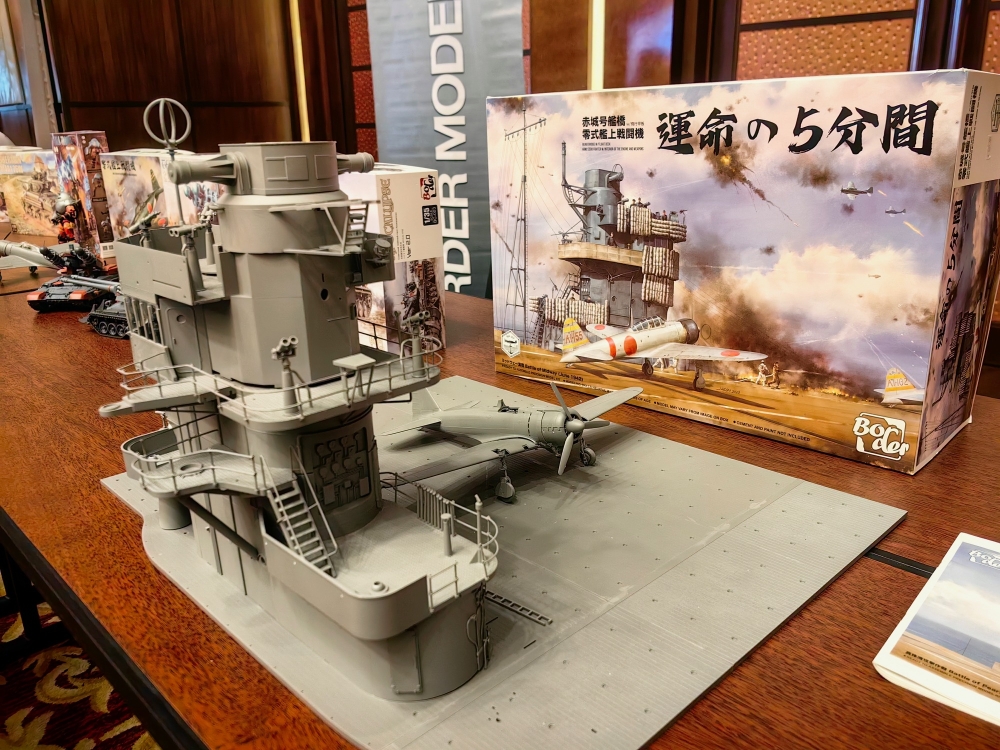
A sample of a base model kit after it’s assembled but before it’s painted, on display at Malcom 2025. — Picture courtesy of Penang tourism and creative economy committee (Petace)
How do they build the models?
Models can be built from scratch using materials such as wood, styrene, foam board, resin or 3D-printed parts.
However, there are also many manufacturers that produce ready-made kits for modellers to assemble.
Assembling the kits requires techniques such as cutting, sanding, gluing and ensuring smooth fits so the model does not fall apart.
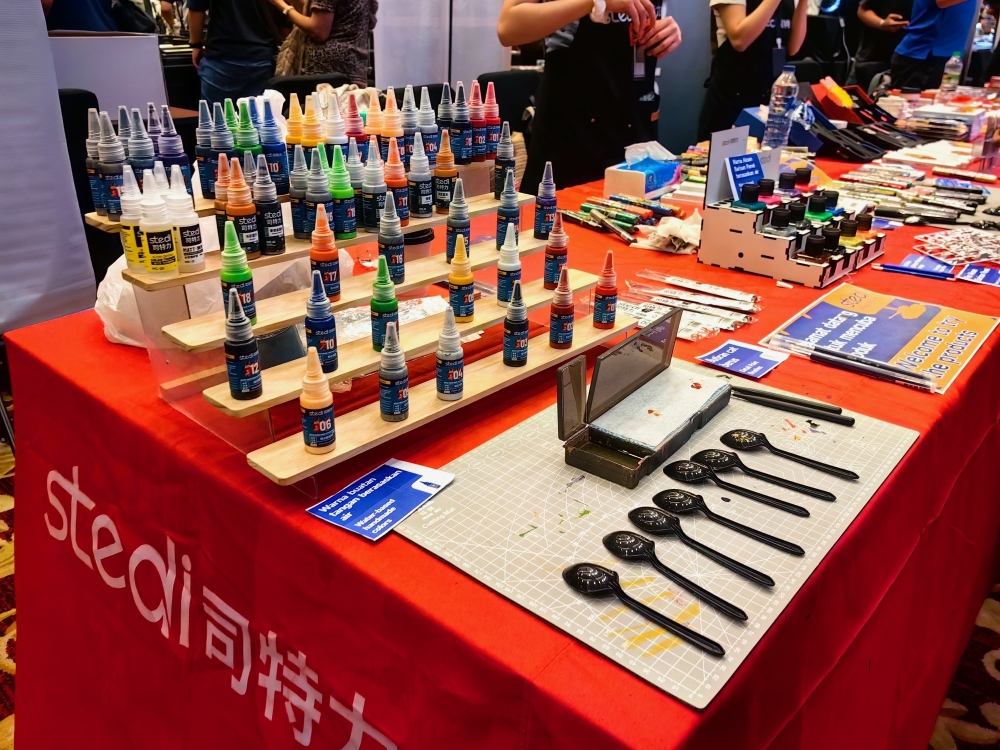
Tools needed to start include a precision knife, tweezers, mini saw, cutting mat, super glue and fine brushes.
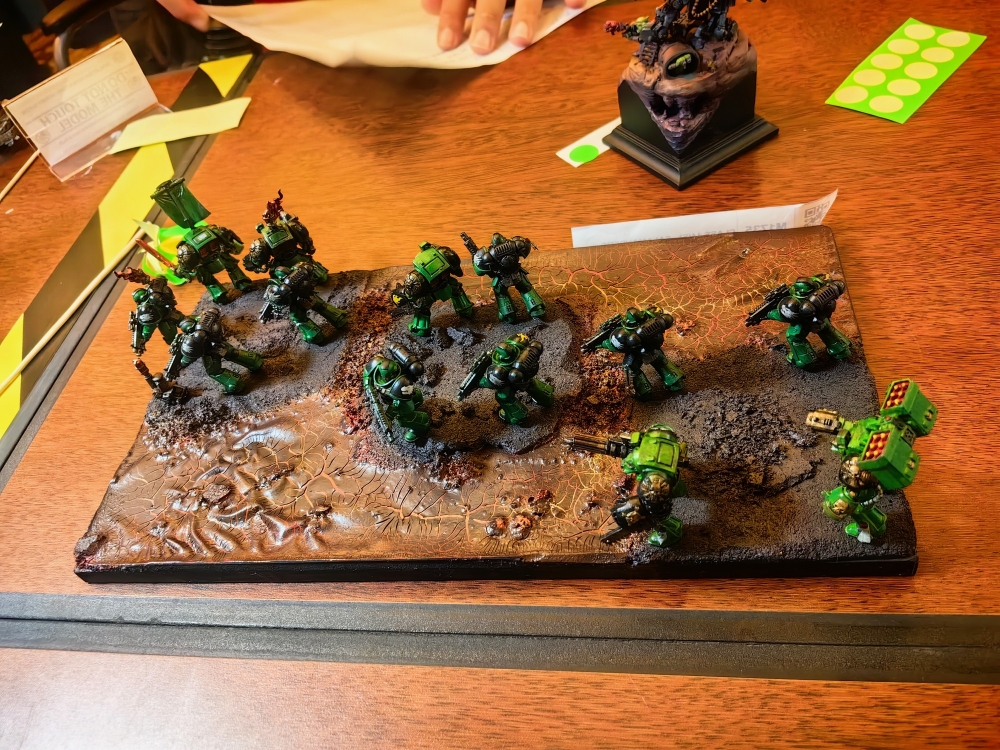
Examples of miniature models on display at Malcom 2025. — Picture courtesy of Penang tourism and creative economy committee (Petace)
After assembling the basic structure, the next step is painting.
There are many ways to paint miniature models — using acrylics with brushes, airbrushing, or newer materials such as markers and specialised colour pencils.
Depending on the model, advanced techniques may follow, such as weathering to make it look rusty, dirty or aged, and airbrushing for added realism.
After painting comes detailing.
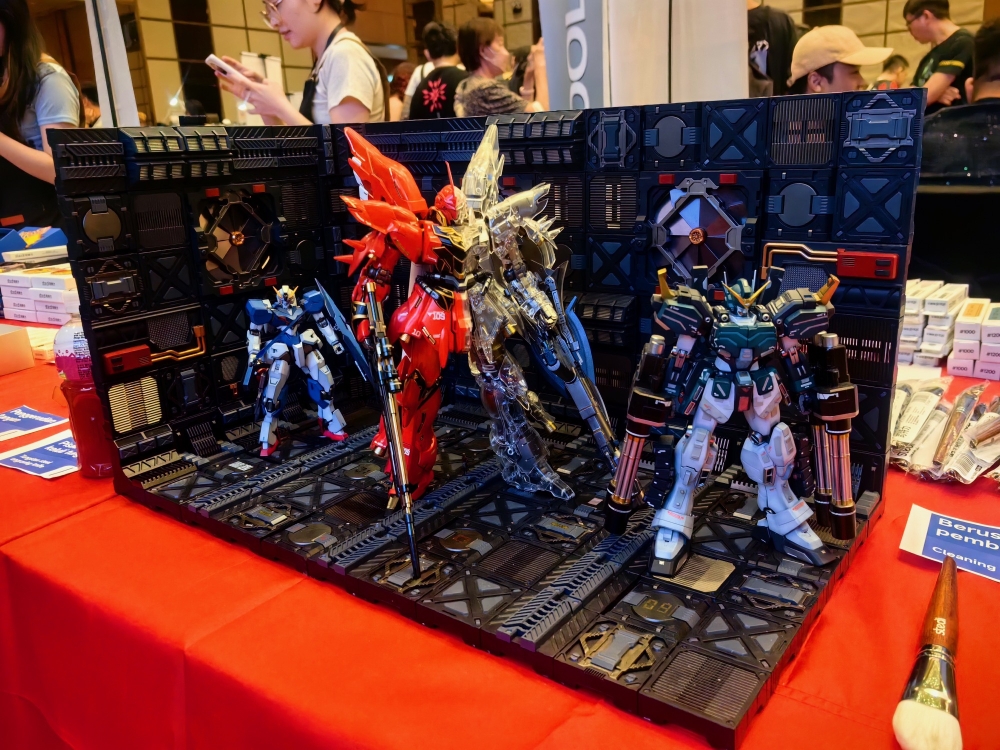
Models can be built from scratch using materials such as wood, styrene, foam board, resin or 3D-printed parts. — Picture courtesy of Penang tourism and creative economy committee (Petace)
This could include adding textures and small props.
If a military aircraft is being built, props such as signage and logos will be added. Even tiny airmen can be included as part of the scene.
If the model is placed within a diorama, it will include further detailing such as ground textures, backdrops, vegetation and characters.
The diorama often tells a story — perhaps a sci-fi figure set in a cyberpunk alley, or a military vehicle in a bleak war-torn landscape.
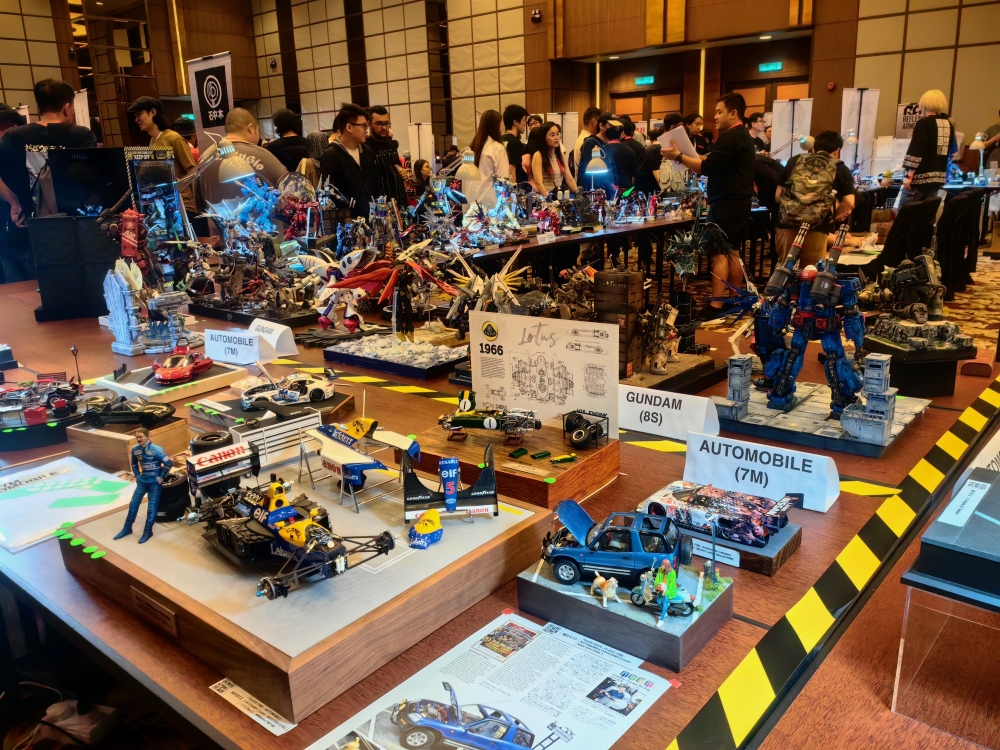
The models are usually tiny, highly detailed versions of buildings and structures; vehicles such as aircraft, ships, cars and trains; figurines of people or fantasy creatures; war-gaming miniatures depicting historical battles or surreal worlds; and dioramas that tell stories. — Picture courtesy of Penang tourism and creative economy committee (Petace)
How to start making miniature models
There are beginner-friendly pre-designed kits that new modellers can buy and try.
These kits come with parts and instructions, allowing beginners to follow step-by-step.
The cost to start miniature modelling ranges from RM50 to RM200, while more advanced kits can cost thousands.
There are also specialised miniature modelling magazines for hobbyists who want to learn more about techniques and model construction.
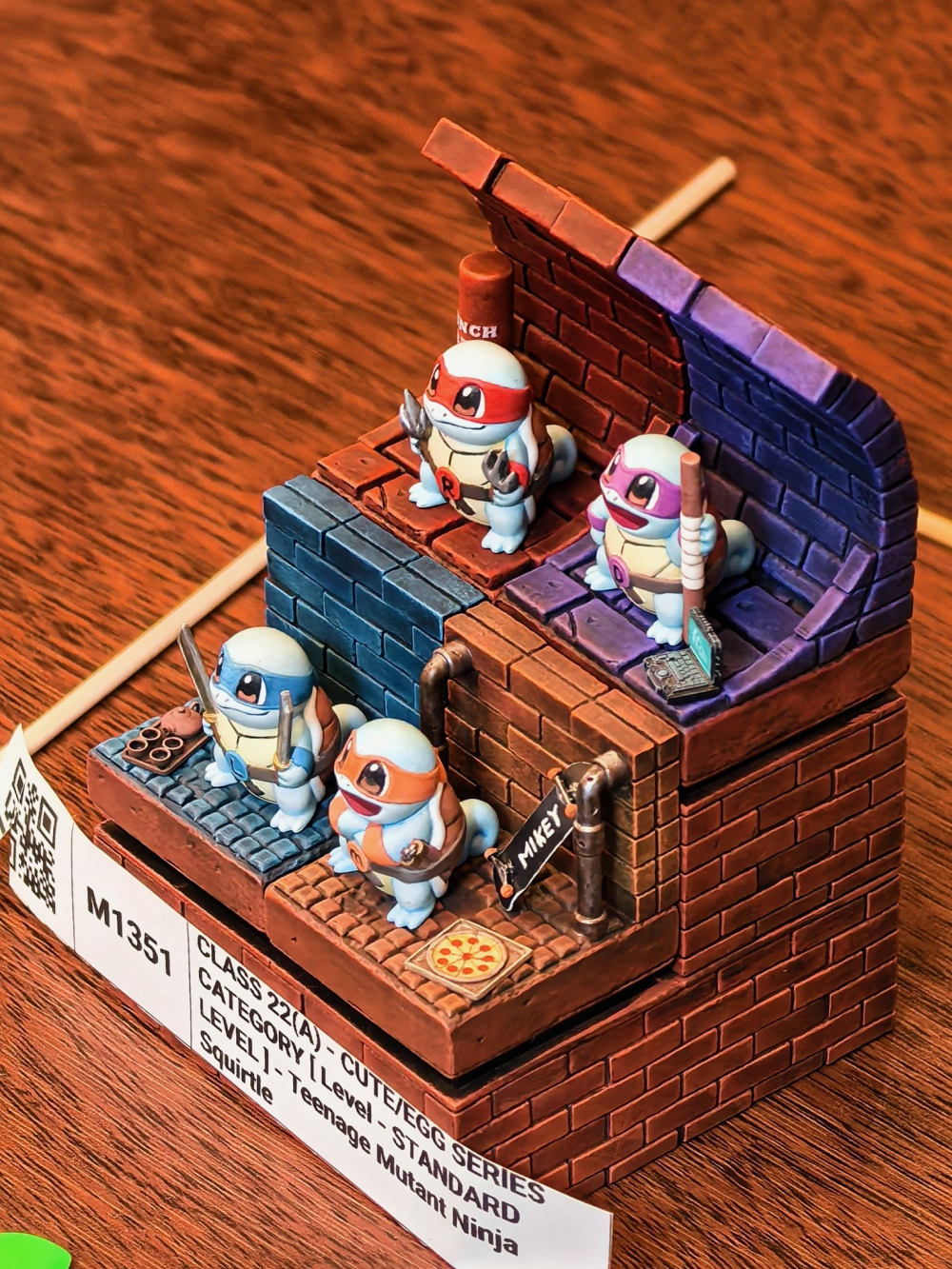
Miniature modelling involves artistry, craftsmanship, research and, in many cases, storytelling. — Picture courtesy of Penang tourism and creative economy committee (Petace)
After learning the basics, modellers can progress to building custom dioramas and adding features such as LED lighting.
Finally, advanced modellers will experiment with building from scratch, master hyper-realistic weathering and produce museum-grade exhibition pieces.
There are many miniature modelling communities and clubs online and at hobby shows worldwide.
In Penang, the World Miniature Hobby Show and Malaysia Competition (Malcom) celebrated its 10th anniversary in June this year.
It will return in a larger space at Setia Spice Convention Centre on June 13 and 14 next year.