
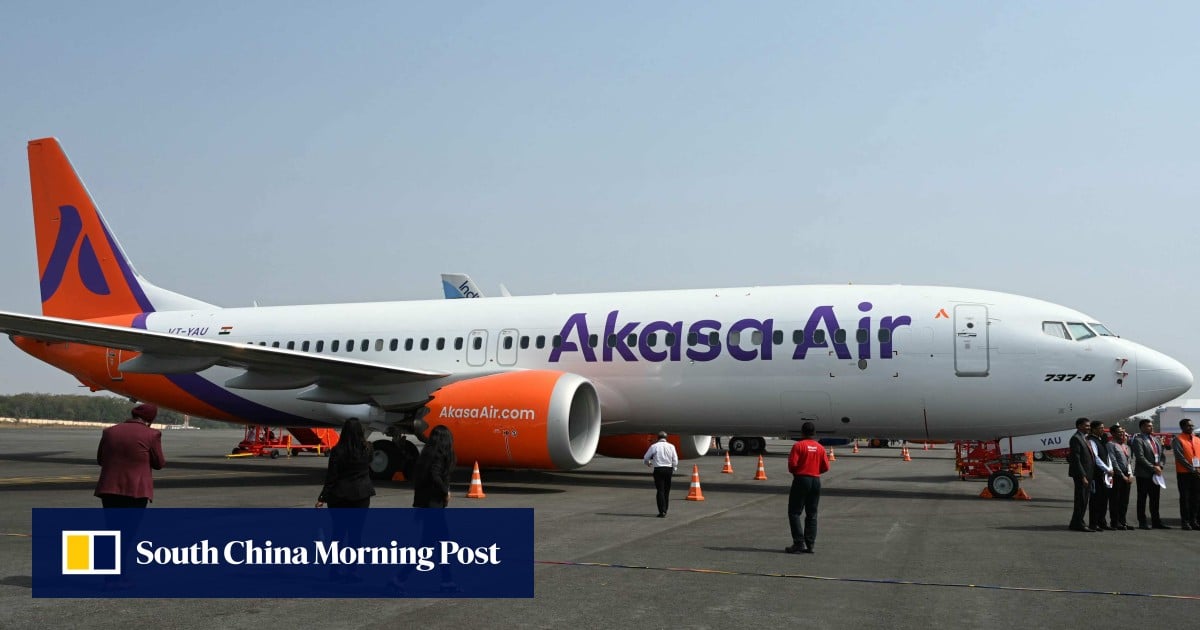
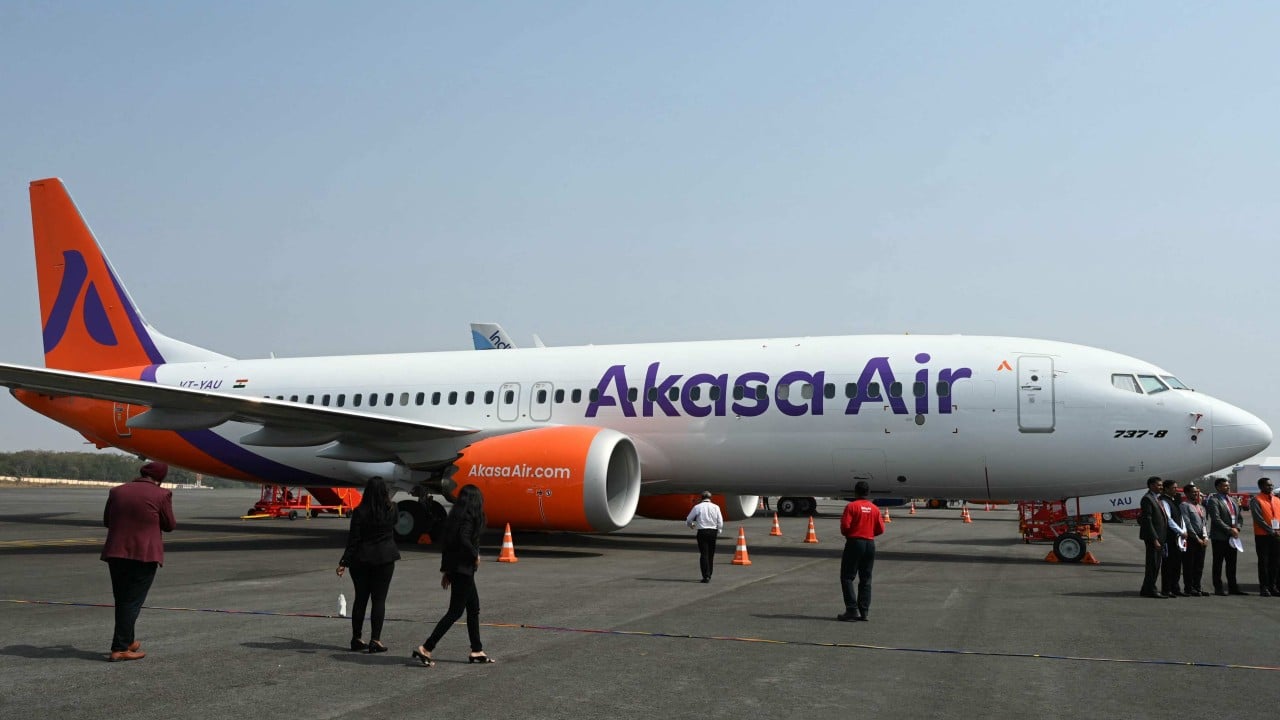
India’s Akasa Air and Malaysia’s AirBorneo are pressing ahead with expansion plans despite soaring jet fuel prices and disruption from the Middle East conflict, in a development that analysts say is a sign smaller Asian carriers are finding room to grow as larger airlines grapple with capacity constraints.
Akasa Air, India’s youngest airline, said last week that it was seeking to raise 10.5 billion rupees (US$110 million) through equity and debt, including loans from state-run banks, to fund the expansion. Last month, the Mumbai-based low-cost airline said it was targeting a 30 per cent increase in its passenger-carrying capacity in the financial year to March 2027.
The airline flies mainly to Indian cities and several destinations in the Middle East and Southeast Asia.
Malaysia’s state-owned AirBorneo, which launched its first international service between Singapore and Kuching on Wednesday, has said that it aims to expand its fleet and regional network in Southeast Asia.
The announcements show a trend of low-cost and regional carriers realigning their strategy or intensifying their core focus to tap growth in Asia rather than through long-distance routes to destinations such as the US and Europe, according to analysts.
“The headline narrative, that the Middle East crisis is bad for Asian aviation, is only part of the story, and smaller carriers are reading the more nuanced picture correctly,” said Mayur Patel, regional commercial and industry affairs leader for Asia-Pacific, Middle East and Africa at OAG, a travel data and aviation analytics firm.