
AS THE LEASE RUNS DOWN
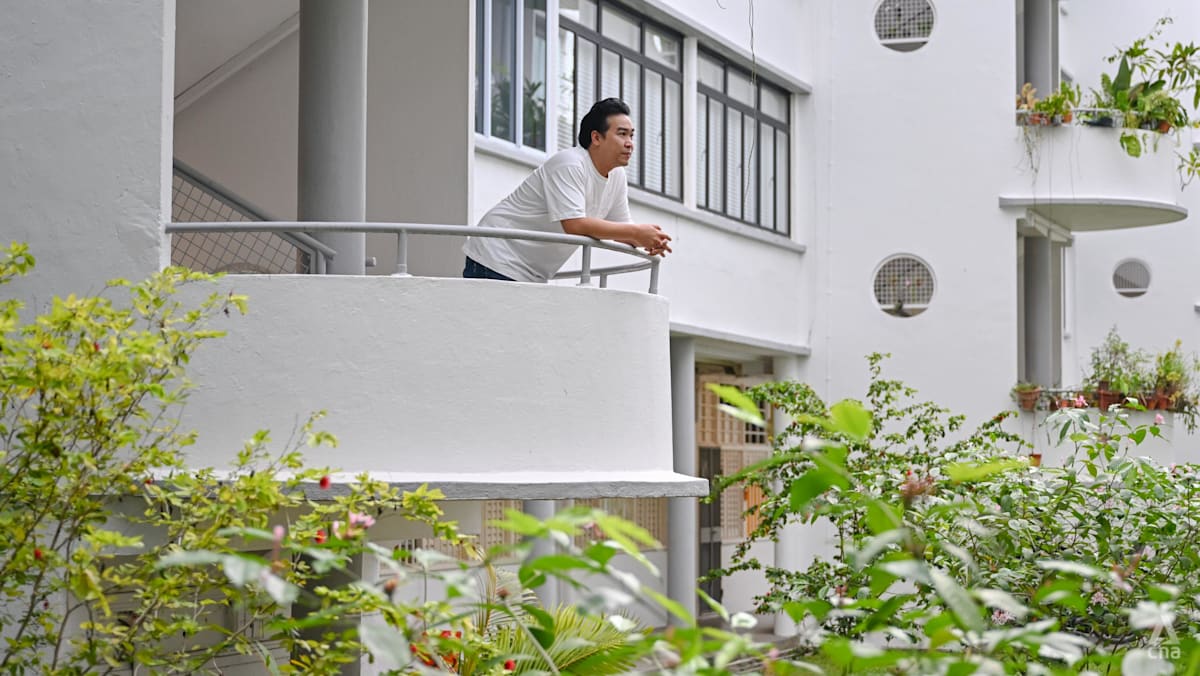
As is the case for all 99-year leasehold properties in Singapore, the clock is ticking. Mr Soh’s flat has 48 years left on its lease, while Mr Tan’s has 47.
The government has explained that the 99-year-lease is needed to enable the recycling of land so flats can be built for future generations.
On what happens when the lease expires, then National Development Minister Lawrence Wong said in 2017 that for the vast majority of HDB flats, they will be returned to HDB who will in turn have to surrender the land to the government.
As the leases decay, the flat prices will come down correspondingly, he said.
Mr Wong, who is now the Prime Minister, was responding in a blog post to an article by Chinese newspaper Lianhe Zaobao on March 15, 2017 on the high transaction prices in ageing estates, such as the Tiong Bahru former SIT flats.
Despite this, there are other ways for homeowners to unlock the value of ageing flats, such as through HDB’s lease buyback scheme. The government has also announced the Voluntary Early Redevelopment Scheme (VERS), which allow older HDB flats to be redeveloped before their leases expire, but only if owners agree.
VERS has yet to be rolled out.
Years have passed since the high resale prices of Tiong Bahru flats led to a national discussion over what to do with expiring 99-year leases, but for Mr Soh and Mr Tan, there are still no plans to sell the remaining lease to someone outside of the family.
Mr Soh hopes to pass the flat to his son – and eventually to his grandchildren, even though it is unclear what the future holds for the flat in terms of ageing infrastructure and monetary value as it approaches lease expiry.
“I hope my grandchildren will carry on. But, it’s up to them. When they grow big, their thinking may change,” he said.
Mr Tan, who has no children, is open to passing the unit to his nieces or nephews.
But Mr Clarence Soh feels more conflicted.
“Having the lease run down to nothing is a bit of a concern for me, but this kind of concern is something not that we can control,” he said.
He hopes HDB will eventually offer solutions for flats with deep heritage value, such as allowing lease top-ups.
Ms Christine Sun, chief researcher and strategist at real estate firm Realion (OrangeTee & ETC) Group, said the future of the Seng Poh estate will depend on how the government implements VERS.
“If many old flats are developed under VERS, and it becomes a common trend for people to opt for VERS and avoid living in old flats, then we could see a decline in demand for these post-war flats,” she said.
“If the opposite happens, then more people could continue to value and keep these flats for their historical appeal and identity.”