
KUALA LUMPUR, April 3 — The effects of the US-Iran conflict on Malaysian households may not be seen through immediate shortages.
Instead, it will be noticeable in a gradual shift in how people spend, as expectations of higher fuel and food prices begin to shape consumption habits.
While food supply remains stable for now, higher fuel costs are expected to raise the cost of transport and production, which could eventually push up prices at the checkout.
How oil prices could affect household budgets
Tensions in the Middle East have made oil prices more volatile, raising costs across supply chains.
As fuel is used at every stage of food production — from fertiliser to transport — higher oil prices will eventually feed into food costs.
Bank Negara Malaysia has previously noted that such cost increases tend to pass through gradually.
However, consumer behaviour often shifts earlier, as households anticipate rising prices and begin adjusting their spending.
Economists have also previously noted in reports that when cost pressures rise, households tend to adjust early by cutting discretionary spending and switching to more affordable alternatives, even before the full impact is reflected in retail prices.
Making early adjustments
Even before prices rise further, some consumers are already adjusting.
“Price increases on essential food items isn’t something shocking anymore.
“For example when it comes to rice, there are many brands available. It really just depends on how fussy your tastebuds are.
“Rice is rice, if prices continue to increase, I don’t mind switching to more affordable variants or swap out rice for rice noodles,” Norain Mohamad, a public relations officer in Ampang said.
She stressed that her family will cut down on meat consumption if prices soar too high.

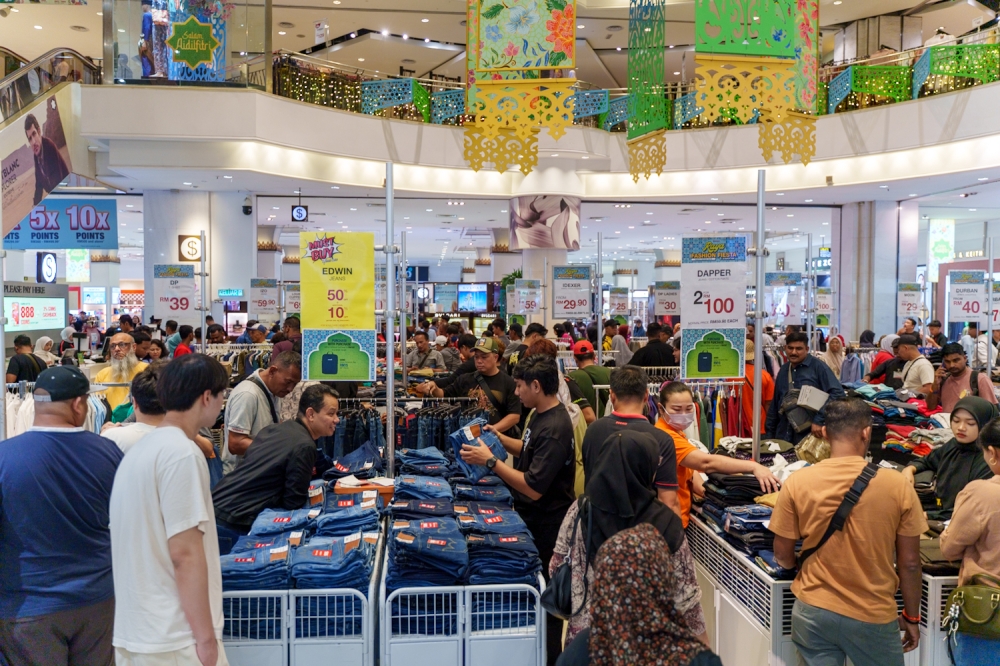
Even before prices rise further, some consumers are already adjusting. — Picture by Sayuti Zainudin
“We’ll just buy less meat, or for chicken I used to buy only parts, now I buy half or whole chicken, there’s some savings there.
“Luxuries like salmon, I haven’t eaten for a long time, the prices don’t make sense to me,” Norain said.
Shifts in shopping habits
Shopping destinations will also change, according to Nur Aisyah Hassan, an accountant in Shah Alam said.
“I used to shop for vegetables at Jaya Grocer, I don’t go there as often anymore, we shop at Econsave now, we save double on the price of vegetables,” she said.
She gave an example of vegetables that cost RM2 at Econsave and RM4 for the same variant at Jaya Grocer.
“If you don’t mind frozen meats, Speedmart 99 is where I go to get chicken for simple meals. They also have a small selection of vegetables but enough for a complete dish.
“There are some local brands like Adabi, it’s known for sauces but also has canned and ready-to-eat items.
“In my house we consider canned sardines as one of our frequent-consumed dishes, but there are more than just one brand of canned sardines in the market now, so we just pick the cheapest,” Nur Aisyah said adding that non-imported canned sardines costs less then RM3 compared to imported brands that could go up to RM6 to RM9 depending on size.
In Amy Lim’s house, the marketing manager said they have started to look for more processed and longer lasting food items.
“Pasta is something that I stock up, this is one of the easy-to-cook items and doesn’t cost much.
“Our family don’t consume much rice; I substitute rice with instant noodles and rice noodles, or sometimes we have a side of steamed sweet potatoes as our source of carbohydrates,” Lim said.
Not a new pattern
In BNM’s previous reports, its observations found that consumers do not wait for prices to fully hit the ceiling, they often start adjusting early.
When global tensions push up fuel prices, households usually respond by cutting back, switching to cheaper options and focusing on essentials.