
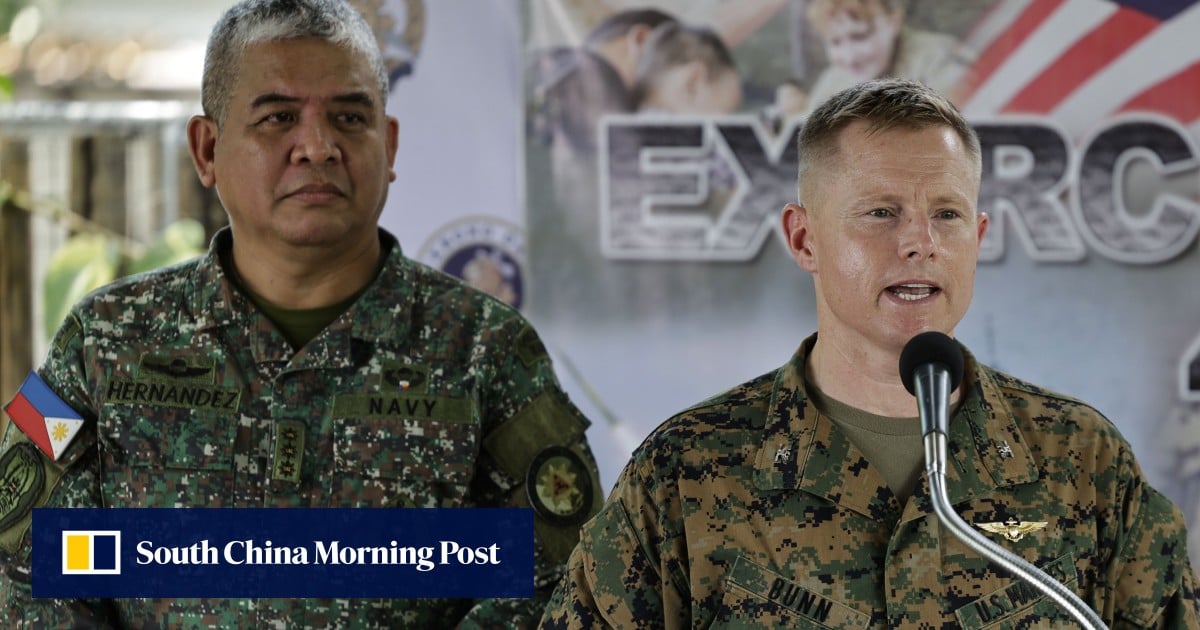
Balikatan, the flagship annual military exercise between Manila and Washington, begins in the Philippines this month without a single neighbouring Southeast Asian member taking part, despite the drills’ growing scale and multinational reach.
Analysts say that hesitation helps explain Balikatan’s place in the region: for some Asean members, it is a reassuring sign of US commitment, but joining it risks looking like a strategic choice in the sharpening rivalry between Washington and Beijing.
“To at least some Asean countries that have regarded the US as a key anchor of regional peace and security, Balikatan could come across as assurance of Washington’s commitment,” said Collin Koh, a senior fellow and coordinator of naval and maritime affairs projects at the Institute of Defence and Strategic Studies at Singapore’s S. Rajaratnam School of International Studies.
However, joining the live-fire drills or other combat exercises “could result in a conundrum” by appearing to align too closely with Washington, he said.
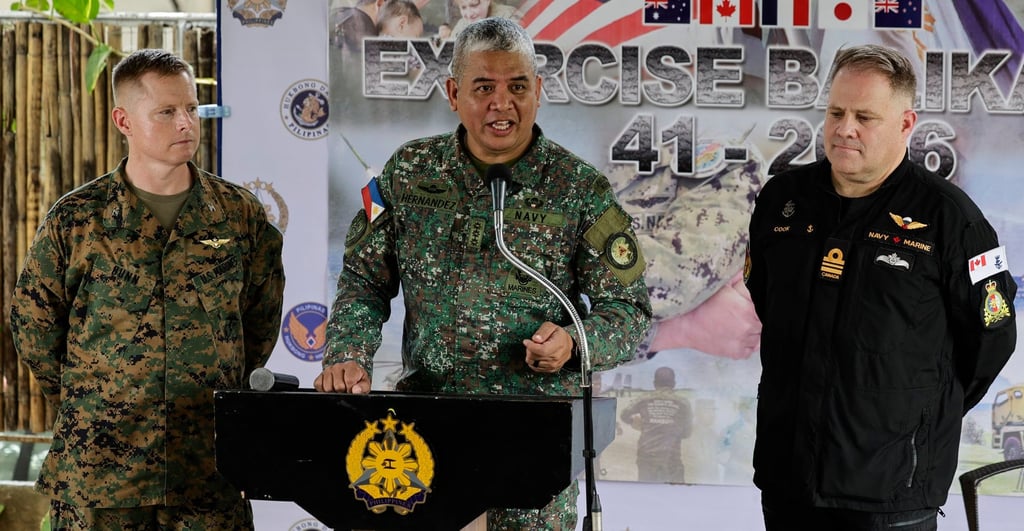
That caution was underscored at Tuesday’s first military briefing on this year’s drills, where the Armed Forces of the Philippines said five other countries – none of them from the Association of Southeast Asian Nations – would join the original pair: Japan, Australia, New Zealand, France and Canada.