
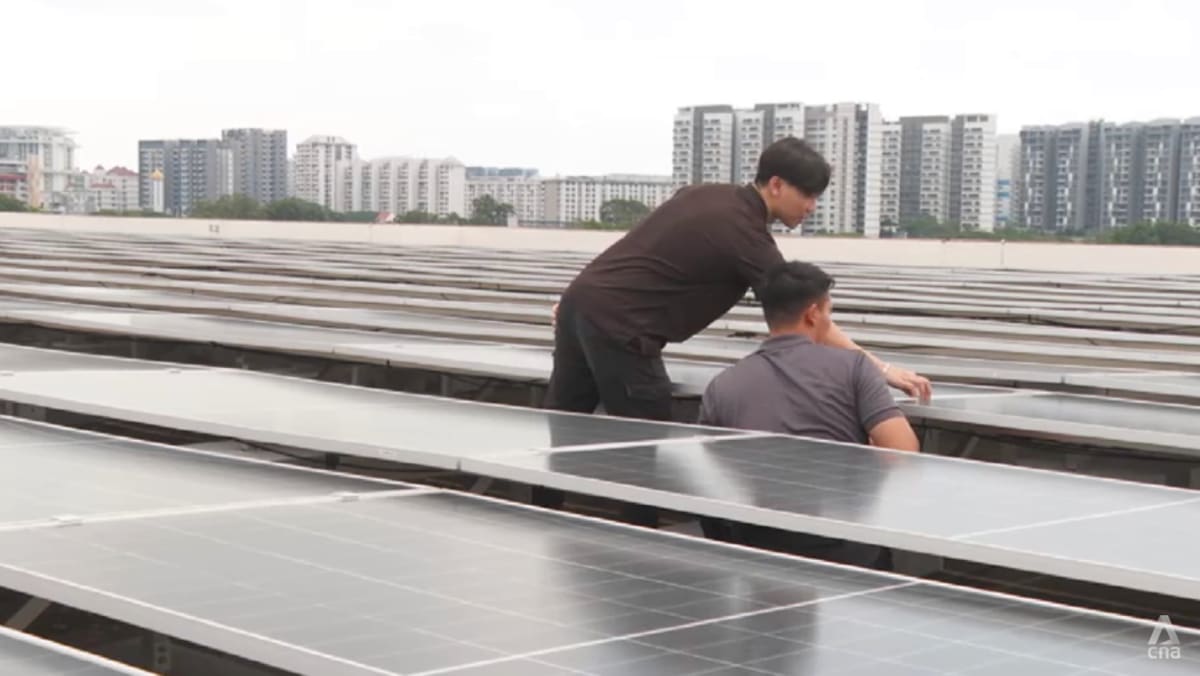
Furthermore, rooftop space in condominiums is often limited and shared among multiple facilities, restricting the scale of installations.
Approval processes can also be lengthy. Solar projects typically require consensus from Management Corporation Strata Title (MCST) councils and, in some cases, residents, adding another layer of complexity compared to landed properties.
Other property types face their own constraints. Shophouses, for example, may have limited roof space or structural challenges due to their age, while those in conservation areas may need to comply with additional regulations.
LONG-TERM SAVINGS
The same global pressures fuelling demand are also pushing up the cost of solar panels.
Industry players say material costs have risen in recent months due to supply chain disruptions and higher commodity prices, with some estimating increases of up to 20 per cent, depending on how global conditions evolve.
Installer Hao Solar said it is grappling with rising costs even as demand for its services has more than doubled since last year.
“Not just oil prices have been affected. Even metal prices, silver prices have all been affected. The cost of materials, even when we supply directly from China, have increased,” said the company’s director Hugh Chan. Silver is a key component in solar panels due to its high electrical conductivity.
Despite higher upfront costs, companies maintain that solar installations offset rising electricity bills over time, offering long-term savings. Installers estimate that most customers break even in about four years.
Beyond cost savings, solar is increasingly seen as a way to improve energy resilience.
“Clean energy … is no longer just a feel-good option. Now, this is essentially a hedge against energy shocks and volatility, and that’s what (both) residential as well as commercial customers are looking for,” said GetSolar co-founder Luke Ong.