
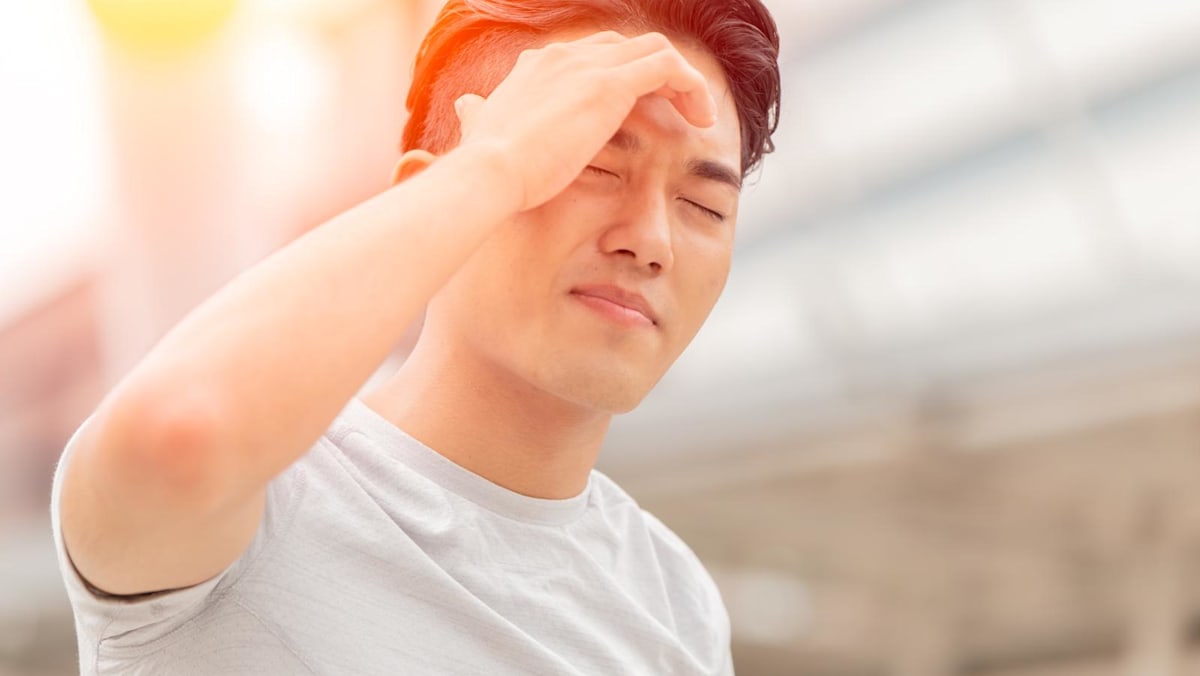
However, she noted, none of those products can lower your body’s core temperature. “They should not be relied upon to prevent heat exhaustion or heat stroke,” said Dr Tian. For heat exhaustion, she advised, you’re better off sticking to the fundamentals, such as staying well hydrated, seeking shade, using air-conditioning, and avoiding strenuous activities during the hottest parts of the day.
Heatiness, on the other hand, is a traditional Chinese medicine (TCM) concept to explain the state of imbalance caused by excessive hot yang energy or a deficiency in cooling yin energy.
Other than the weather, eating too much heaty foods such durian, red meat, deep-fried food and chocolate, is also deemed to upset the balance – and lead to fever, sore throat, mouth ulcers, acne and excessive thirst, according to Yan Yew Wai, an acupuncturist at Tan Tock Seng Hospital’s Complementary Integrative Medicine Clinic, on HealthHub.
HOW DO COOLING PRODUCTS WORK?
If you grew up in 1970s or 1980s Singapore, you might remember emerging from the shower, coloured a lighter shade of yourself by the prickly heat powder or calamine lotion that Mum liberally applied on you to keep you cool and rash-free.
Growing up, you probably also drank enough homemade TCM concoctions worth your weight – not limited to barley drink, chrysanthemum tea, green bean soup, liang teh and ling yang drink. And even more if you had a cough or sore throat – the classic symptoms of heatiness in TCM-speak.
Now that you’re all grown up, you might wonder: just how do these products and brews work to help you beat the heat? Are they really effective? Here’s a look: